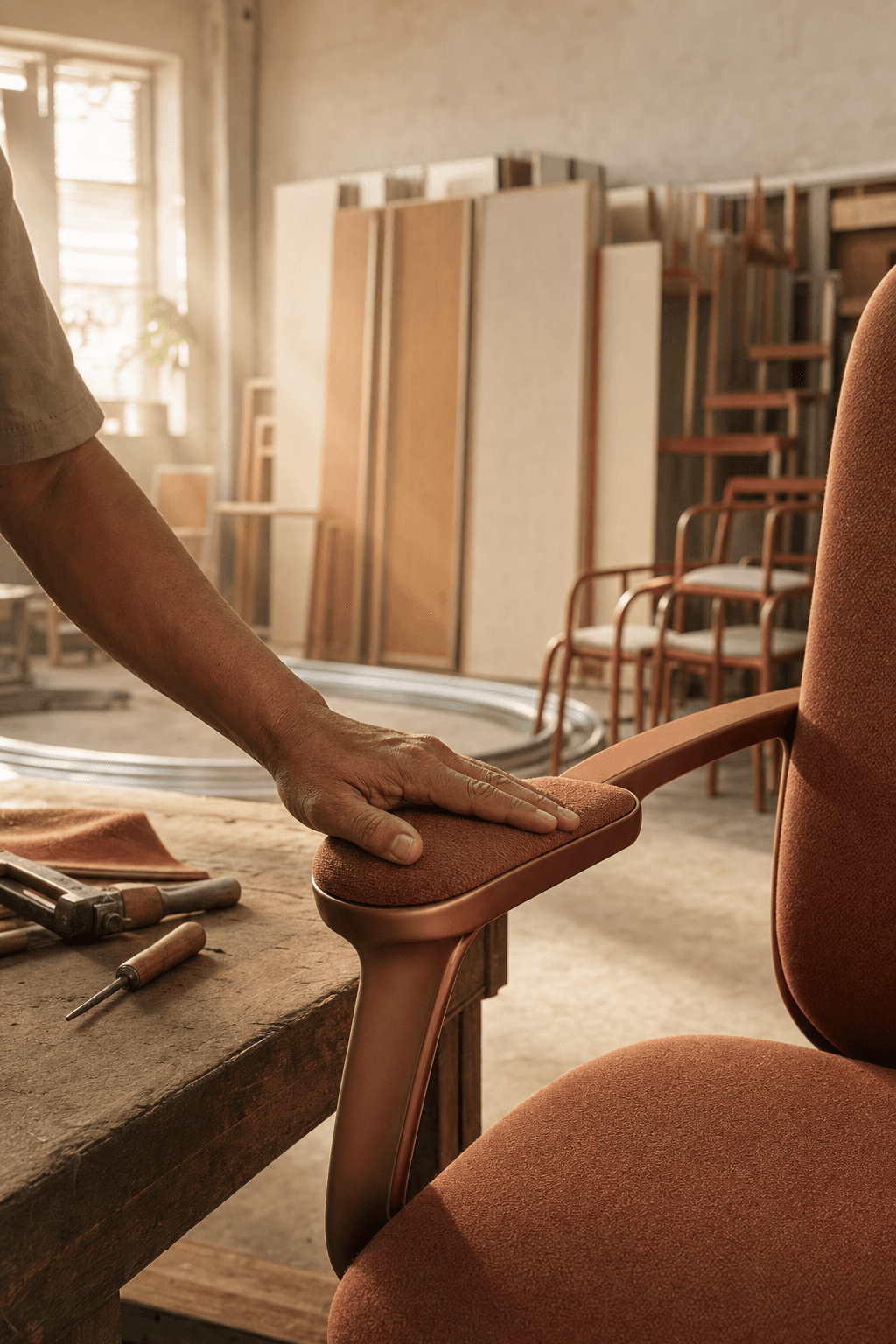
Businesses should opt for office furniture refurbishment Philippines when existing pieces are structurally sound but require cosmetic updates like reupholstery, repainting, or minor repairs to extend their five to fifteen year lifespan. If furniture becomes unsafe, requires frequent maintenance, or fails to meet modern ergonomic standards, replacing or reconfiguring the workspace becomes the more cost effective and productive choice.
Maintaining a productive workplace in the Philippines often involves managing the slow decline of aging assets; these worn items can silently erode both employee morale and corporate budgets. For many facility managers and business owners, the dilemma lies in whether to invest in minor repairs or execute a total overhaul of their workspace. At RA Integrated Solutions, we understand that these decisions impact your operational bottom line and your adherence to critical COA guidelines or sustainability goals. This guide provides a comprehensive framework to help you navigate the complexities of office furniture refurbishment. You will learn how to evaluate the furniture lifecycle, when to reconfigure layouts for hybrid work models, and how to identify the precise moment when replacement becomes the only fiscally sound option. From responsible disposal in Manila to strategic procurement planning, we offer the expert insights needed to optimize your workspace investments.
Understanding the Office Furniture Lifecycle in the Philippines
In the standard industry landscape, office furniture is expected to provide service for a predictable duration. High-quality ergonomic chairs typically last between 7 to 10 years, while modular desking and storage systems often reach 10 to 15 years before structural failure occurs. However, operating within the Philippines requires a more nuanced understanding of these timelines. Tropical conditions, specifically high relative humidity and salt-laden air in coastal business districts, significantly accelerate asset degradation. Moisture leads to premature oxidation of metal frames and the breakdown of adhesives in laminated surfaces. In many local environments, fabric upholstery is also prone to microbial growth and faster foam deterioration.
Developing a formal lifecycle framework is essential for facility managers and government procurement experts seeking to optimize their annual budgets. Instead of reacting to broken equipment, this strategic approach treats furniture as a depreciable asset with clear intervention points. By mapping out the current age and condition of inventory, organizations can shift from emergency purchases to planned maintenance. This methodology serves as a critical cost-saving tool, allowing a reputable office furniture supplier to help you determine if an asset requires simple maintenance or a full overhaul to maintain operational efficiency.
When to Choose Office Furniture Refurbishment Philippines: Extending Asset Value
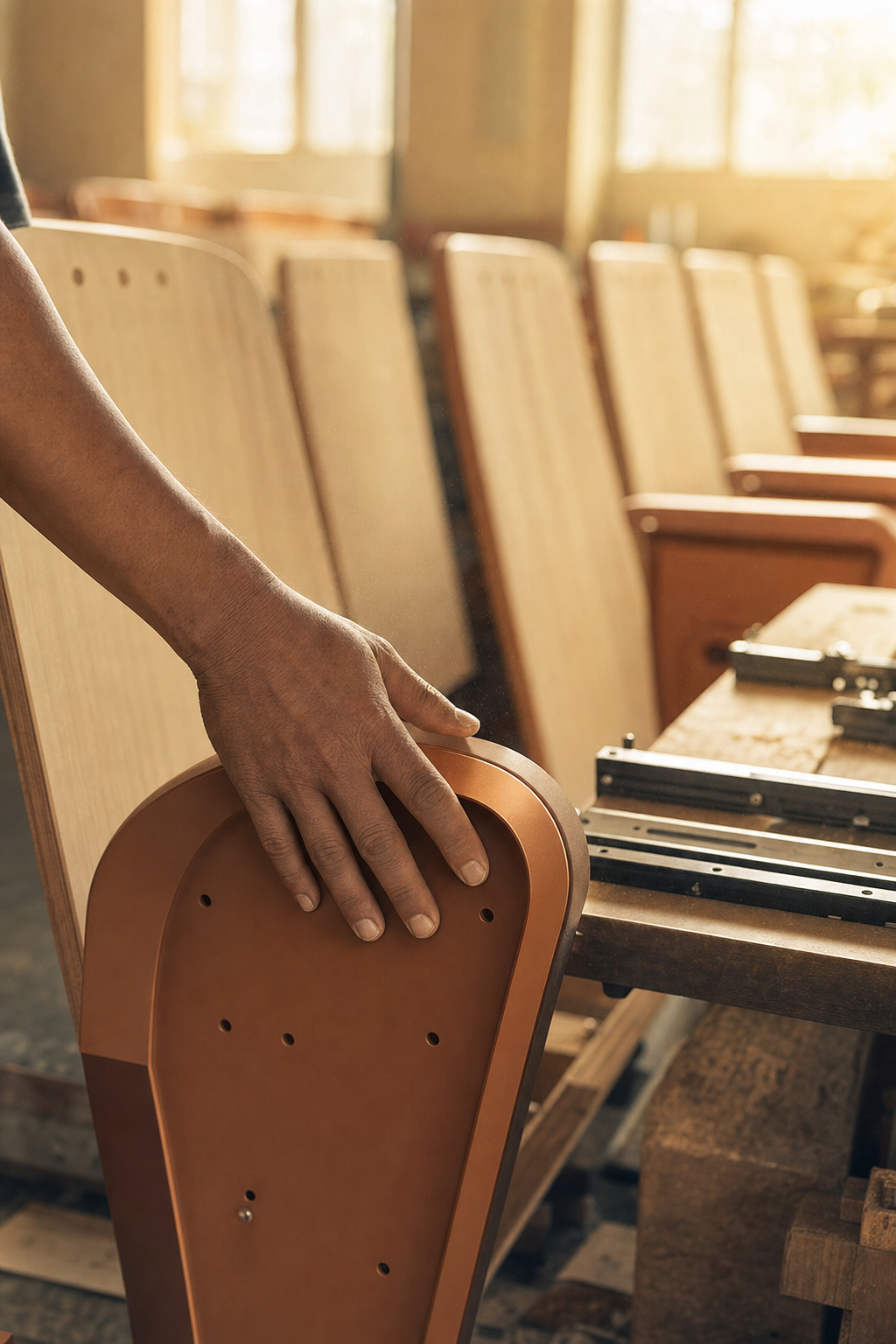
Identifying the right moment for office furniture refurbishment Philippines requires a technical assessment of an asset's structural integrity versus its surface wear. While minor repairs focus on immediate fixes like replacing a broken caster or tightening a loose bolt, deep refurbishment is a comprehensive overhaul. This process involves stripping a piece down to its core frame to address both mechanical and aesthetic degradation. For seating, this typically includes full reupholstery with contract-grade fabrics, replacing collapsed seat foam with new high-density material, lubricating internal tension mechanisms, and repainting metal bases using electrostatic powder coating.
The primary driver for this intervention is asset extension at a significantly lower price point. A professional refurbishment typically costs between 30 to 50 percent of the price of a comparable new item. This financial efficiency allows government procurement experts and facility managers to refresh their workspace without the capital expenditure required for a total replacement. It is particularly effective for high-quality frames found in institutional projects; these structures are often built to last for decades, even if the padding and fabric have succumbed to the tropical humidity discussed previously.
Service Level | Typical Actions | Ideal For |
|---|---|---|
Minor Repair | Replacing gas lifts, wheels, or glides; surface cleaning. | Functional items with specific, localized component failure. |
Deep Refurbishment | Reupholstery, foam replacement, mechanism overhaul, repainting. | Structurally sound assets with significant surface wear or outdated aesthetics. |
Full Replacement | Procurement of new units and disposal of old stock. | Assets with cracked structural plastic, bent frames, or compromised ergonomics. |
By choosing to refurbish, an organization preserves the value of its existing inventory. A reputable office furniture supplier can evaluate which units are candidates for this process, ensuring that the finished product meets modern ergonomic standards. This strategy is not merely a cost-saving measure; it is a sustainable practice that keeps heavy-duty steel and polymer components out of landfills while providing a renewed environment for employees through professional office fit-out services.
The Reconfigure Strategy: Adapting to Hybrid Work and New Layouts
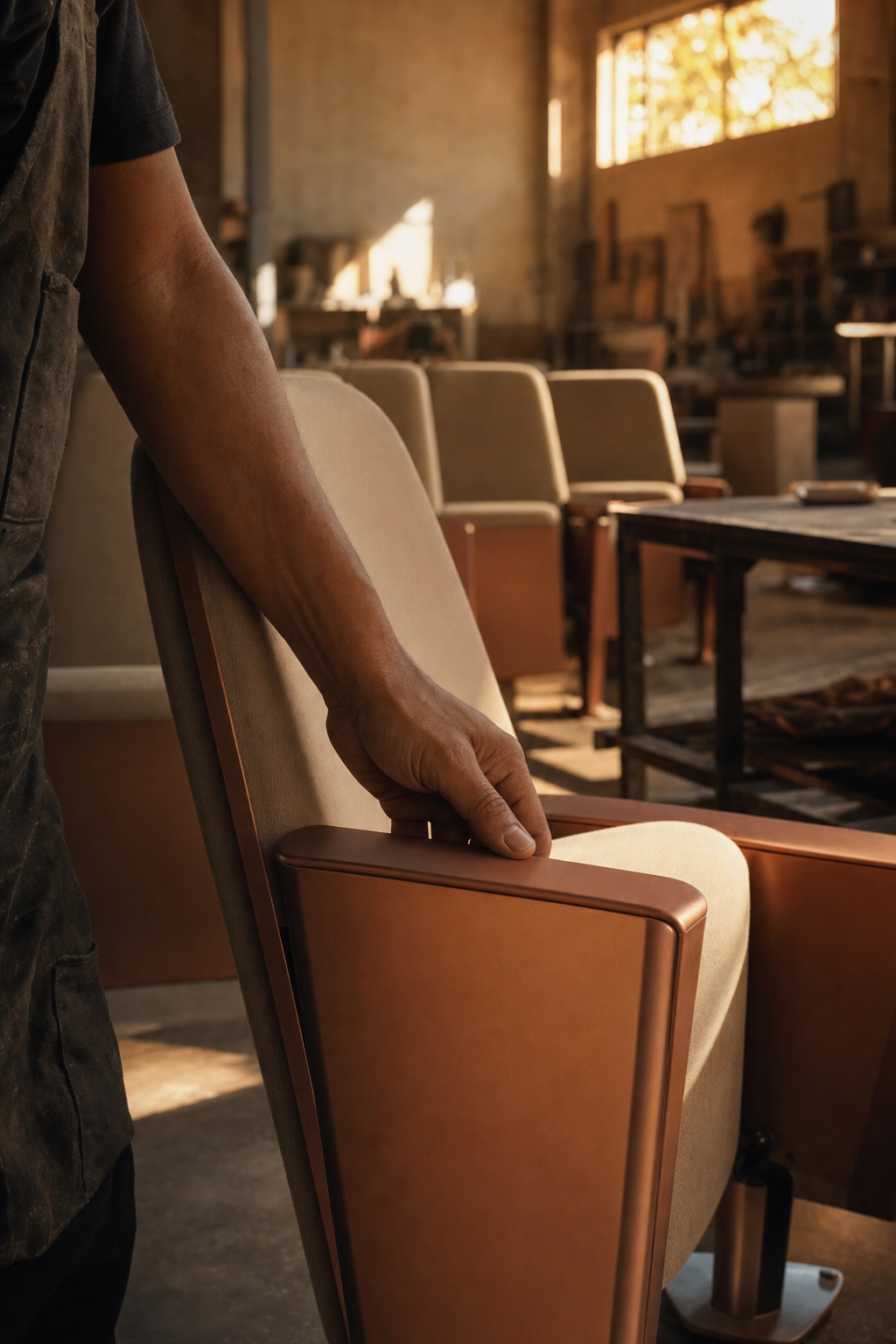
While office furniture refurbishment Philippines addresses the physical condition of individual pieces, reconfiguration tackles the evolving utility of the entire workspace. This strategy serves as a critical middle ground between minor repairs and full-scale replacement. It is particularly effective for modular workstation systems where the core components, such as steel frames, worktops, and acoustic panels, remain functional but the current footprint no longer aligns with operational needs. In the shift toward hybrid work, many local organizations find themselves with sprawling, high walled cubicles that hinder collaboration. By dismantling these systems and rebuilding them into shared desking arrangements or neighborhood clusters, facilities can optimize floor space without the capital outlay of a new purchase.
Reconfiguration also extends to specialized architectural products like operable partition walls. These systems represent a significant investment in institutional and commercial settings. Instead of discarding panels during a renovation, a professional office furniture supplier can adapt existing tracks and acoustic panels to suit a new layout. This process involves technical precision, ensuring that seals remain airtight and structural tracks are correctly aligned to maintain acoustic ratings. This prevents the unnecessary waste of high value materials that are still in peak operating condition.
Integrating this approach into your office fit-out services strategy allows for greater organizational density or the creation of dedicated quiet zones as needed. It empowers government procurement experts to view furniture not as static objects, but as versatile components that can be reassembled to meet changing requirements. This flexibility transforms fixed assets into adaptable tools, bridging the gap between historical inventory and future work patterns.
Critical Signs It is Time to Replace Your Office Assets

Despite the benefits of adaptation, every asset reaches a technical threshold where continued use poses an operational risk. Determining when to retire furniture requires a rigorous inspection of its load-bearing components. While aesthetic wear is manageable through office furniture refurbishment Philippines, structural failures are non-negotiable indicators for replacement.
Safety is the primary concern, particularly regarding pneumatic seating. A gas lift cylinder that shows signs of oil leakage or fails to maintain height is a critical failure. Beyond the inconvenience, these pressurized components can pose significant safety risks if the internal seals fail catastrophically. Similarly, if a chair's seat foam has compressed to the point where the underlying structure is felt, it no longer meets basic ergonomic standards. In the Philippines, where workplace wellness is increasingly prioritized, providing seating that causes chronic back pain is a liability that outweighs the cost of new equipment.
Asset Category | Sign for Immediate Replacement |
|---|---|
Task Seating | Leaking gas lifts; cracked structural plastic; bent five-star bases. |
Desking & Storage | Twisted metal frames; sheared locking mechanisms; warped structural panels. |
Operable Walls | Cracked track rollers; compromised acoustic seals; frame distortion. |
From a fiscal perspective, government procurement experts and facility managers should apply the 60 percent rule. If the estimated cost of restoration or repair exceeds 60 percent of the price for a new unit from a reputable office furniture supplier, the asset has reached the end of its economic life. In these instances, investing in new assets ensures long-term reliability and modern compliance with office fit-out services requirements, providing better value than repeatedly fixing an obsolete item.
Accounting for Depreciation: COA Guidelines and Government Asset Disposal
Financial planning for workspace upgrades relies heavily on understanding asset depreciation schedules. In Philippine corporate accounting, office furniture is typically depreciated over a useful life of five to seven years. For government procurement experts, the Commission on Audit (COA) provides even more specific mandates. Under standard COA guidelines, furniture and fixtures are subjected to the straight-line method of depreciation, often leaving a residual value of at least 10 percent of the original cost at the end of its estimated life.
When an asset reaches a zero book value but remains in serviceable condition, it presents a unique opportunity for cost optimization. Opting for office furniture refurbishment Philippines at this stage allows an organization to bypass the complex and often lengthy process of government asset disposal, which requires formal appraisal, public bidding, or condemnation. By refreshing fully depreciated assets, agencies and corporations maintain high ROI by extending the functional life of the equipment by another three to five years without the capital expenditure required for a total new procurement.
Asset Type | Typical PH Depreciation Life | COA Residual Value (Typical) |
|---|---|---|
Office Seating | 5 Years | 10% |
Modular Workstations | 7 Years | 10% |
Steel Filing Systems | 10 Years | 10% |
Collaborating with a knowledgeable office furniture supplier during this transition ensures that refurbished units are correctly integrated into updated office fit-out services plans. This technical approach transforms inventory that has been written off back into high performance tools, maximizing the utility of every peso spent while remaining compliant with local accounting standards.
Responsible Furniture Disposal Manila and Waste Management Compliance
When an asset exceeds its useful life and is no longer a candidate for office furniture refurbishment Philippines, disposal must be handled with legal and environmental precision. In the National Capital Region, commercial entities must comply with Republic Act No. 9003, also known as the Ecological Solid Waste Management Act of 2000. This legislation mandates that waste generators, including corporations and government agencies, implement proper segregation and disposal protocols. Bulky furniture items, often composed of treated woods, polymers, and heavy metals, cannot be mixed with general municipal waste according to local sanitary standards.
For government procurement experts and corporate facility managers, responsible disposal involves two primary pathways: donation or professional hauling. Donating functional but surplus items to organizations like Caritas Manila is a highly effective strategy. This not only supports community development programs but also provides the donor with documentation for potential tax credits, turning a fully depreciated asset into a social contribution. It is an ideal solution for seating or desks that are still usable but no longer fit the aesthetic requirements of a modern workplace.
If the furniture is structurally compromised or poses a safety risk, you must engage a professional waste management service that specializes in bulky office assets. These providers ensure that materials like steel, aluminum, and certain plastics are diverted to specialized recycling facilities rather than ending up in overcrowded landfills. When planning comprehensive office fit-out services, coordinating with a knowledgeable office furniture supplier allows for a seamless transition. This ensures that the removal of old inventory aligns with the delivery of new systems, maintaining full compliance with local environmental regulations and corporate ESG (Environmental, Social, and Governance) goals.
Procurement Planning: Integrating Lifecycle Decisions into Your Annual Budget
Effective procurement starts with a comprehensive audit of existing assets. Instead of waiting for failure, facility managers should implement a Traffic Light assessment during their annual review. This system categorizes inventory based on technical health:
Green: Assets in peak condition requiring only routine preventative maintenance.
Yellow: Functionally sound items showing aesthetic wear or minor mechanical friction, making them prime candidates for office furniture refurbishment Philippines to extend their life by several years.
Red: Furniture with structural damage, leaking gas lifts, or compromised ergonomics that require immediate decommissioning.
Integrating this data into your annual budget allows government procurement experts to allocate funds precisely, balancing capital expenditure for new items with the operational savings of refurbishment. Before finalizing any relocation or renovation plans, consult an expert in office fit-out services. A professional evaluation can identify modular components suitable for reconfiguration, ensuring that high-value materials are repurposed rather than discarded. By partnering with a technical office furniture supplier, you transform furniture management from a reactive expense into a strategic asset lifecycle.
Choosing between refurbishing, reconfiguring, or replacing your workspace setup requires a careful balance of budget, sustainability, and functionality. By assessing your existing assets against your future growth, you can make a strategic decision that benefits your team. If you want expert help determining the best path forward, our team is here to guide you through the process. Selecting the ideal Office Furniture involves more than just aesthetics; it is about creating an efficient environment. We are ready to help you transform your vision into a practical, high-quality workspace.