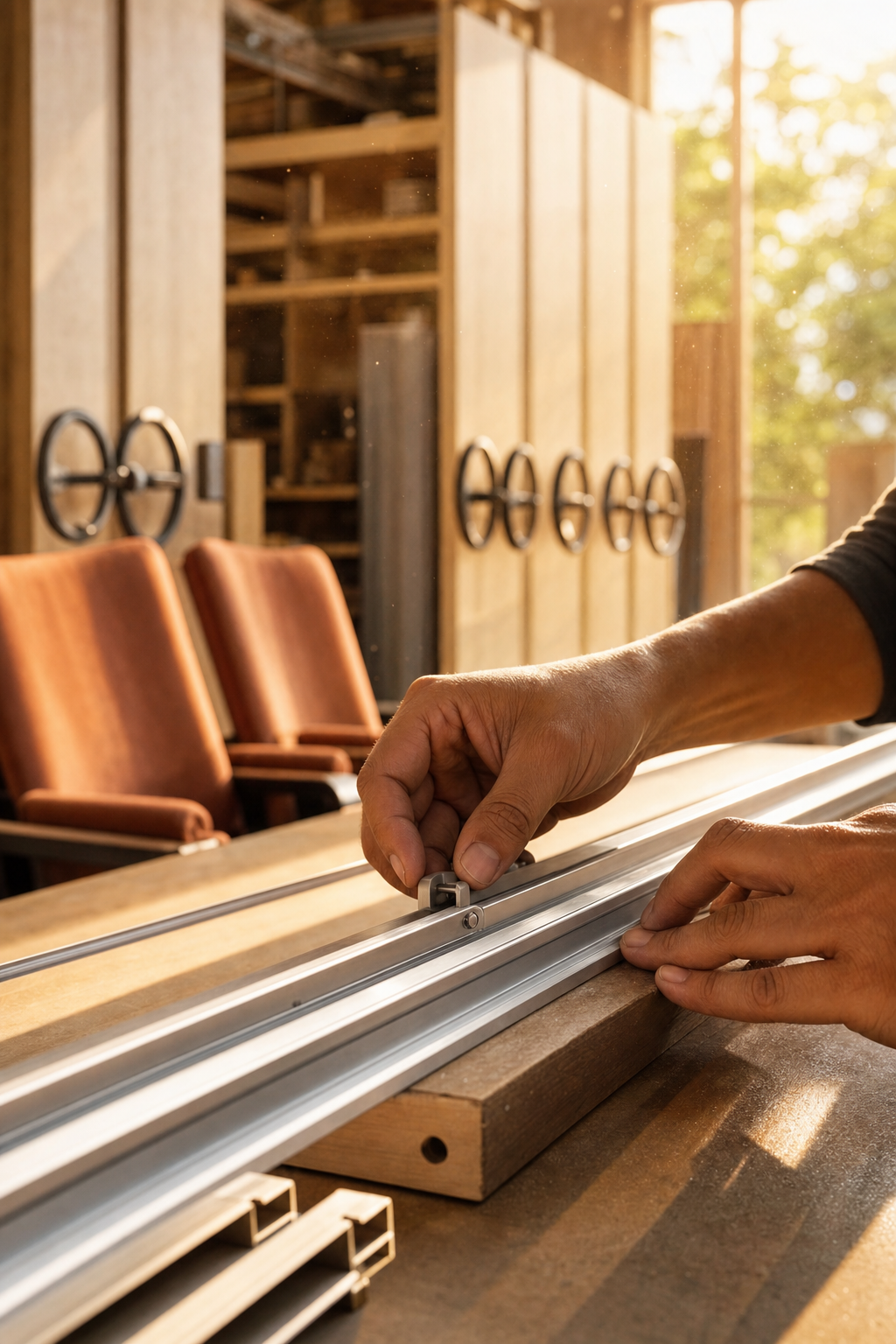
Hospital furniture procurement Philippines requires facility administrators to follow specific bidding documents and DOH standards while prioritizing medical-grade materials and durability. Successful acquisition involves detailed planning of department-specific requirements and verifying that vendors meet local ownership regulations for competitive bidding; this ensures that all equipment supports both patient safety and long-term facility efficiency.
Navigating the complexities of healthcare furniture procurement in the Philippines often feels like a balancing act between stringent DOH regulatory compliance and the urgent need for operational efficiency. Facility admins and clinic owners frequently struggle with sourcing durable solutions that accommodate growing patient volumes while maintaining a high standard of care. At RA Integrated Solutions, we understand that your furniture choices directly impact both clinical workflows and patient outcomes. This guide provides a strategic roadmap for modern medical facilities, covering everything from essential ward equipment to space-saving mobile compactor systems and flexible operable partitions. You will learn how to align your procurement strategy with Philippine health classifications, ensuring a seamless transition from your initial bill of quantities to professional final installation.
Understanding the Landscape of Healthcare Furniture Procurement in the Philippines
The Philippine healthcare landscape is experiencing a rapid transformation, marked by the modernization of public hospitals and the proliferation of private diagnostic centers across Rizal and Metro Manila. For procurement officers and clinic owners, navigating hospital furniture procurement Philippines is no longer a simple task of purchasing ward beds. The complexity lies in balancing strict Department of Health (DOH) licensing requirements with the practical needs for durability and patient comfort.
A modern facility requires a holistic design strategy that extends beyond clinical areas to include administrative offices, high-traffic waiting rooms, and medical record archives. The challenge is sourcing furniture that resists the wear of tropical climates and heavy daily use while maintaining a professional, healing environment. Procurement strategies must now account for:
Ergonomic desking and seating for administrative staff to reduce fatigue.
Antimicrobial lounge furniture for waiting areas to mitigate infection risks.
Specialized mobile compactor shelving to manage the growing volume of physical patient files.
Versatile operable partition walls to create flexible consultation spaces.
Effective procurement ensures that every square meter of the facility, from the reception desk to the archive room, supports both operational efficiency and patient well-being. By focusing on integrated solutions, facilities can meet regulatory standards without compromising on the longevity of their assets.
DOH Standards and Classification Impact on Furniture Requirements
Compliance with Department of Health (DOH) standards is the primary driver of any successful hospital furniture procurement Philippines project. DOH Administrative Order No. 2012, 0012 provides the definitive classification for hospitals, which directly dictates the inventory requirements for furniture and equipment. For a Level 1 facility, the mandate requires a minimum of ten beds. Procurement for these clinics must focus on fundamental inpatient needs, including standard ward beds, bedside lockers, and sturdy examination tables.
As a facility scales to Level 2 or Level 3, the furniture requirements become significantly more specialized. Level 2 hospitals require departmentalized clinical services, necessitating ergonomic nursing stations and dedicated furniture for neonatal and intensive care units. Level 3 hospitals, being teaching or training institutions, demand high, performance ICU beds with integrated electronics and specialized seating for long, term recovery wards. Adhering to these strict classifications is especially critical for government hospital projects where licensing audits are rigorous.
Legal considerations also extend to emergency response capabilities. Republic Act No. 8344, commonly known as the No Refusal Law, mandates that all medical facilities provide immediate treatment in emergency cases. From a furniture standpoint, this necessitates high, capacity emergency room seating and a sufficient inventory of mobile stretchers to manage patient surges effectively. Failing to account for these specific regulatory tiers during the planning phase often leads to licensing delays and operational bottlenecks.
Hospital Classification | Minimum Bed Capacity | Key Furniture Requirements |
|---|---|---|
Level 1 (General) | 10 Beds | Standard ward beds, bedside tables, basic exam tables |
Level 2 (Specialized) | Varies by DOH permit | ICU beds, departmentalized nursing stations, specialized carts |
Level 3 (Teaching) | Varies by DOH permit | Advanced ICU systems, recovery room seating, auditorium furniture |
By aligning the procurement strategy with these specific DOH classifications, administrators ensure that every piece of furniture, from administrative mobile compactor shelving to operable partition walls in consult rooms, meets both functional and legal thresholds.
Essential Categories of Furniture for Modern PH Medical Facilities
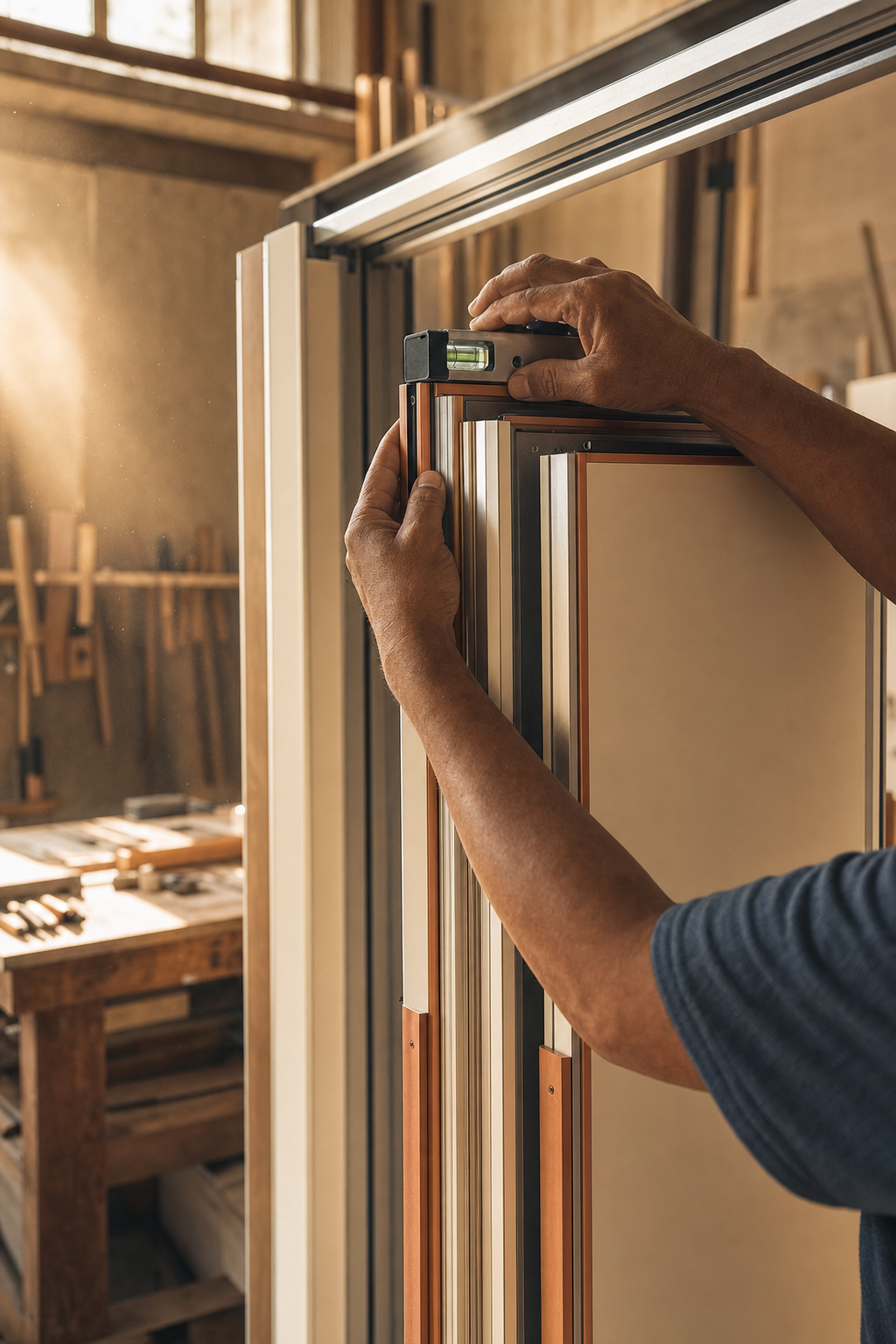
Navigating the physical layout of a facility requires categorizing furniture by functional zones. This systematic approach ensures that the budget is allocated based on the specific rigors of each environment, preventing the premature replacement of equipment due to improper specification.
Patient Wards: Procurement begins with the hospital bed, where standard dimensions usually hover around 2100mm in length and 950mm in width. A complete ward furniture list should also include lockable bedside cabinets, overbed tables for meal service, and IV poles. In multi-bed wards, these items must be compact enough to maintain clear egress paths for medical staff during emergencies.
Waiting and Reception: In high-traffic Philippine clinics, reception furniture experiences the most rapid deterioration. Specifying antimicrobial lounge furniture is a necessity for infection control. Materials should be non-porous and resistant to hospital-grade disinfectants to ensure longevity despite constant cleaning cycles.
Administrative Offices: The well-being of the healthcare workforce is often overlooked. Providing ergonomic seating for administrative staff and nurses at charting stations is vital. High-back mesh chairs with adjustable armrests support proper posture during long shifts, directly impacting operational efficiency and reducing staff fatigue.
Specialized Storage: Beyond clinical care, facilities must manage an increasing volume of physical documentation and sterile supplies. Integrating mobile compactor shelving into the initial floor plan allows for high-density storage of medical records, freeing up valuable floor space for revenue-generating clinical activities. This transition from open shelving to compact systems is a hallmark of modernizing government hospital projects and private specialty centers alike.
Solving the Medical Records Crisis with Mobile Compactor Systems
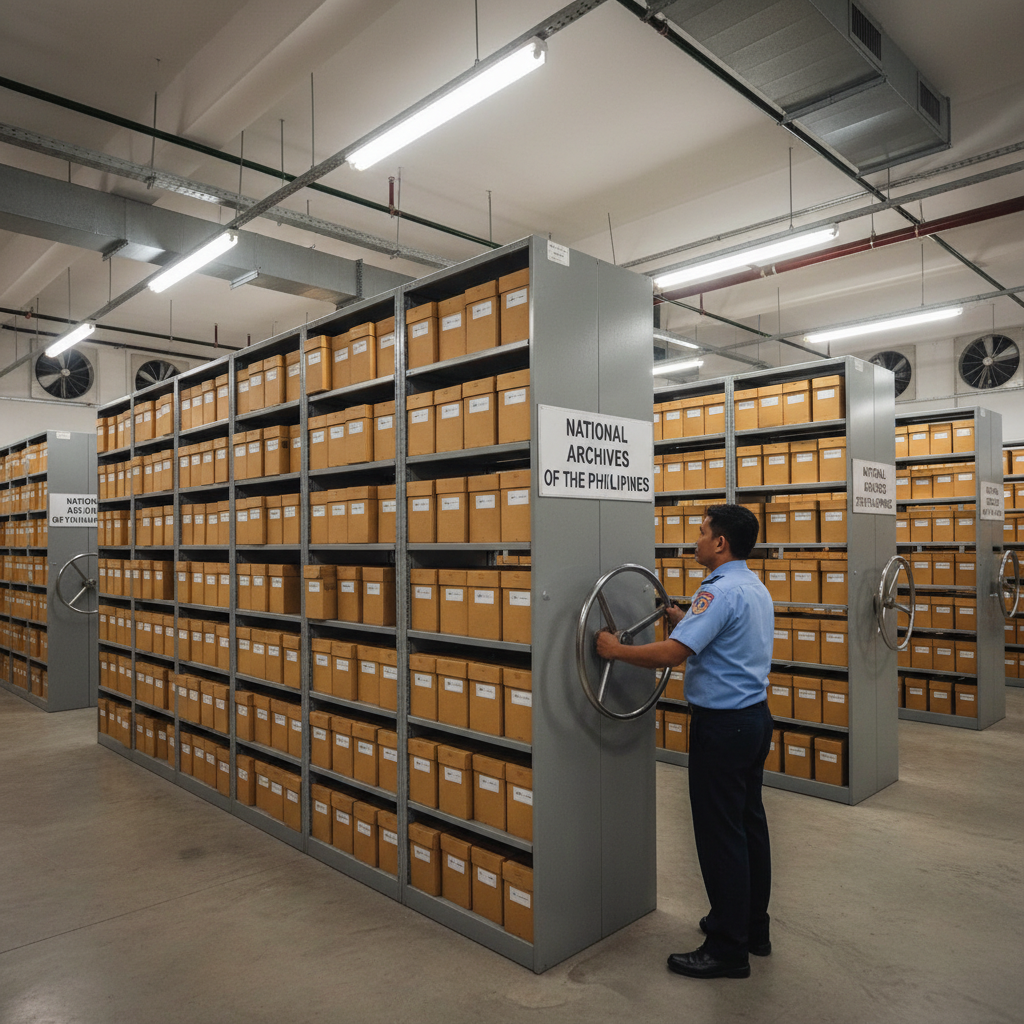
A significant hurdle in hospital furniture procurement Philippines involves managing the sheer volume of physical documentation required by law. Under Department of Health guidelines and the Data Privacy Act of 2012, medical records must be retained for extensive periods. Generally, clinical records are kept for at least 15 years, though most hospitals opt to store them for 20 to 25 years, or even permanently for specific surgical and pediatric cases, to mitigate legal risks. This mandate for long term retention creates a storage crisis where administrative space is quickly consumed by static filing cabinets.
In facilities across Rizal and Metro Manila, where every square meter carries high operational costs, traditional shelving is no longer viable. Static systems require permanent aisles between every row, effectively wasting half of the available floor area. By integrating mobile compactor shelving, hospitals can eliminate these redundant aisles. These high density systems allow units to glide on floor tracks, requiring only one moving aisle to access all records. This approach can double the storage capacity of a basement archive or medical records room without expanding the room's footprint.
RA Integrated Solutions specializes in the supply and installation of these specialized systems for both private clinics and government hospital projects. These compactors provide the structural integrity needed to support the extreme weight of paper records while offering lockable, secure configurations that aid in HIPAA compliance. Beyond space savings, a well designed mobile system improves organizational workflows, ensuring that patient files remain retrievable and protected from environmental degradation over their decades long lifecycle.
Creating Flexible Spaces with Operable Partition Walls
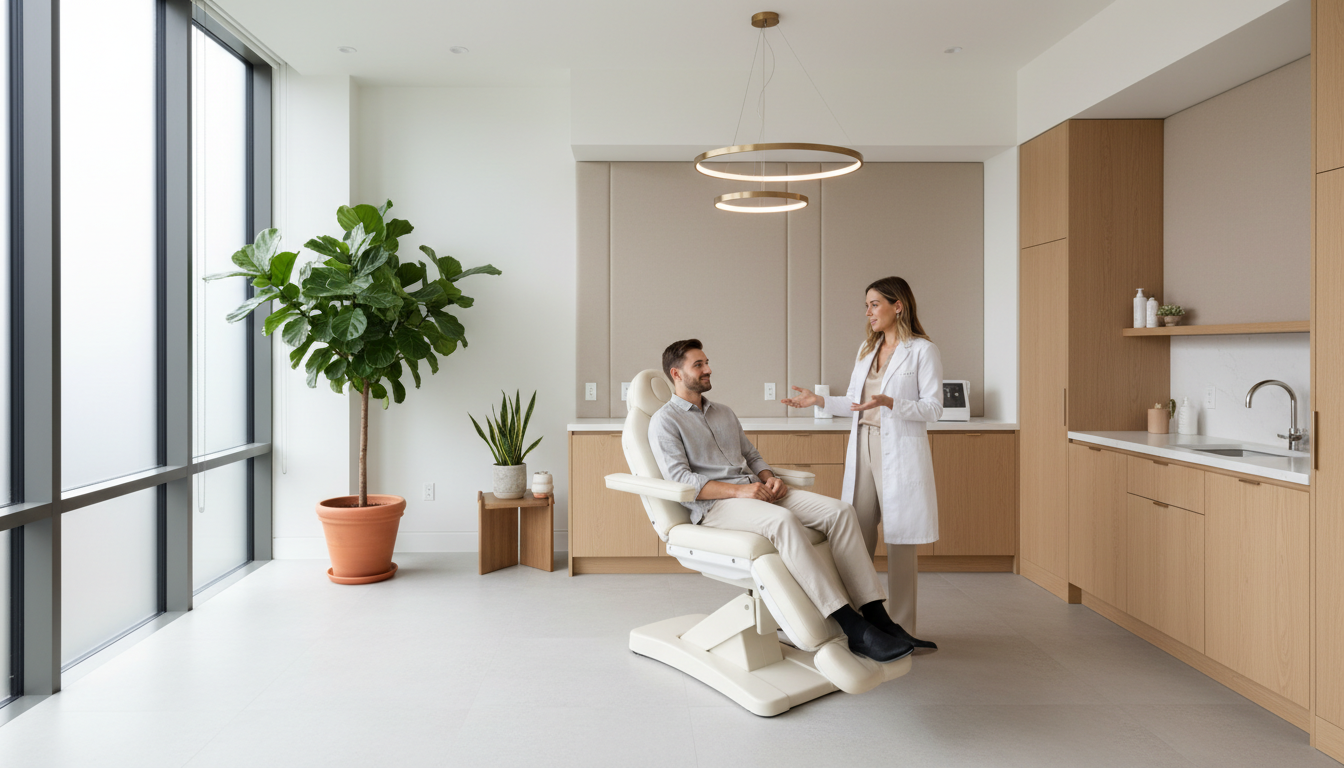
In high density urban centers like Metro Manila and Rizal, healthcare facilities face significant spatial constraints. Maximizing a single floor plate is a critical component of hospital furniture procurement Philippines. For many diagnostic centers and private clinics, the ability to reconfigure a layout without permanent construction is a major operational advantage. By installing operable partition walls, administrators can transform a large multi-purpose hall into several private consultation rooms within minutes. This flexibility allows for high patient throughput during peak hours while facilitating staff training or medical seminars during off-peak times.
Privacy remains a non-negotiable factor in clinical environments. When specifying these systems, the Sound Transmission Class (STC) rating must be the primary technical metric. For medical consultations where sensitive patient data is discussed, an STC rating between 45 and 50 is generally recommended to prevent sound leakage between adjacent rooms. High quality partition systems use internal mechanical seals to block sound paths, ensuring that a temporary consult room offers the same acoustic integrity as a permanent drywall installation. This modular approach ensures that the facility remains adaptable to changing patient volumes without compromising the legal and ethical requirements of patient confidentiality.
The Hospital Furniture Procurement Process: BOQ to Installation
Transitioning from spatial planning to physical implementation requires a structured procurement cycle. The foundation of this process is the Bill of Quantities (BOQ), which serves as the definitive technical roadmap. For a hospital furniture procurement Philippines project, a BOQ must transcend a basic list of items; it should specify exact dimensions, load capacities, material finishes such as antimicrobial powder coating, and fire-retardant ratings for items like operable partition walls. An accurate BOQ prevents costly discrepancies between the architectural intent and the delivered product.
Once the BOQ is established, the evaluation of vendors should follow a rigorous scoring matrix. For administrators managing government hospital projects, the recently enacted RA 12009, or the New Government Procurement Act, introduces frameworks designed to enhance transparency and efficiency. This legislation emphasizes value for money rather than just the lowest bid, which is critical when procuring medical equipment that requires long-term durability.
Key steps in the procurement process include:
Technical Specification Review: Aligning furniture dimensions with the actual floor plate to ensure clear egress paths.
Vendor Lifecycle Assessment: Evaluating the availability of spare parts and the responsiveness of the vendor’s maintenance team.
Logistics Planning: Coordinating delivery schedules to minimize disruption to ongoing clinical operations.
Installation and Commissioning: Ensuring systems like mobile compactor shelving are correctly leveled and anchored for safety.
Choosing a local partner like RA Integrated Solutions offers distinct advantages in the final stages of the process. In regions such as Rizal and Metro Manila, local expertise in logistics and on-site installation is vital for meeting tight project timelines. A regional partner provides immediate after-sales support and maintenance, ensuring that high-investment items remain functional throughout their intended lifecycle. This local presence transforms the procurement process from a simple transaction into a long-term operational partnership.
Selecting the right equipment for your healthcare facility involves balancing patient safety, durability, and operational flow. While navigating these requirements is complex, the right partnership makes the procurement process much smoother. If you want expert help designing a space that meets medical standards while maintaining comfort, RA Integrated Solutions A Brand of Rootstone Approach Furniture Trading is here to support you. We offer guidance on specialized medical pieces and high quality Office Furniture to create a cohesive, professional environment for your entire clinic.