DepEd school furniture Philippines is transitioning to modernized bamboo-based designs starting February 2026 to enhance sustainability and meet updated performance standards. This eight-year replacement program introduces a classroom package costing approximately P114,400, which includes 23 tables and 46 chairs specifically engineered for long-term durability and bamboo compliance.
Navigating the evolving landscape of educational infrastructure in the Philippines often feels like a moving target for school administrators and procurement officers. As the Department of Education shifts toward more modernized, sustainable learning environments, staying compliant with the latest 2026 specifications becomes a logistical hurdle rather than a simple purchase. At RA Integrated Solutions, we understand that furniture is more than just seating; it is a critical component of learner performance and institutional longevity. This guide provides a comprehensive breakdown of the technical requirements for learners' tables and chairs, including the essential transition toward bamboo materials under Executive Order 879. You will also discover how to align your procurement strategy with the Digital Rise program and master the complexities of the current DepEd bidding guidelines to ensure your facility meets every national standard.
Understanding the 2026 Modernized DepEd School Furniture Rollout
The Philippine educational landscape is undergoing a significant physical transformation. Under recent directives from the Department of Education, the traditional image of classrooms filled with rigid rows of wooden armchairs is being phased out. In its place, a modernized, collaborative environment is taking shape, fundamentally changing how schools procure and utilize DepEd school furniture Philippines. This shift is headlined by the upcoming nationwide rollout scheduled from February to March 2026, during which DepEd expects to distribute over 144,000 sets of learners' tables and chairs.
This transition centers on the 1 table, 2 chairs configuration, a design choice first recommended by the Curriculum and Instruction Division to replace individual armchairs. This setup is not merely aesthetic; it is a strategic move to facilitate group work and provide the wider surface area necessitated by the Digital Rise Program. As classrooms integrate more tablets and laptops, the cramped workspace of a standard armchair has become a hindrance to technological literacy.
These educational solutions aim to foster classroom flexibility. Unlike the fixed seating of previous decades, these new sets allow teachers to quickly reconfigure spaces for different learning modalities, from independent study to group brainstorming. For those navigating government procurement, understanding this vision is vital. The 2026 rollout also includes over 3,200 sets for teachers, ensuring the entire classroom ecosystem supports modern pedagogical standards. By moving away from fixed rows, DepEd is creating spaces that mirror contemporary professional environments, prioritizing interaction and adaptability over static instruction.
Technical Specifications for DepEd Learners Tables and Chairs
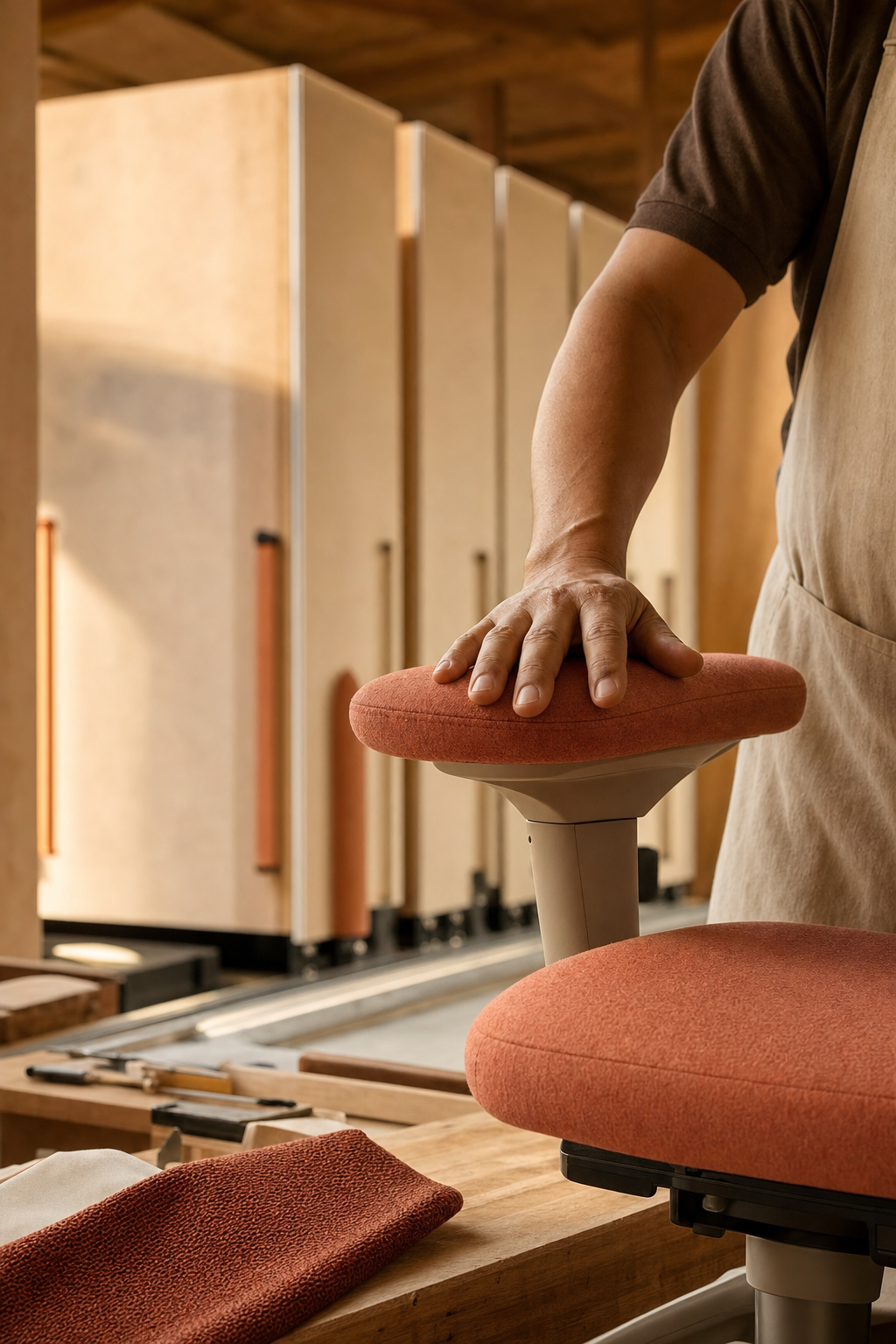
The evolution of DepEd school furniture Philippines is defined by rigorous technical requirements outlined in Annex A and B of the current procurement guidelines. One of the most significant structural mandates is the 18mm thickness requirement for top boards. This thickness provides the necessary rigidity to prevent sagging or warping, particularly when supporting the heavier payloads of the Digital Rise Program’s tablets and laptops. These boards must be finished with high-pressure laminates or specialized coatings that resist the intense humidity and heat characteristic of the Philippine tropical climate, ensuring that surfaces remain smooth and easy to sanitize over years of use.
A major shift in these specifications is the move toward neutral school furniture. Previously, procurement officers had to manage a strict 4 percent quota for left-handed armchairs. This often led to logistical imbalances where schools faced either a shortage or an oversupply of specific units. The current 1 table, 2 chairs configuration naturally accommodates both right-handed and left-handed learners within the same workspace. This universal design simplifies classroom management and ensures that no student is disadvantaged by their seating assignment.
The dimensions are strictly tiered to suit the ergonomics of different age groups. While table heights for elementary levels are scaled lower to promote proper posture, secondary levels require taller surfaces to accommodate growing students. The package composition has also transitioned to a more standardized model. While traditional armchair deployments often saw 45 units for Junior High School and 40 units for Senior High School, the modernized 2026 rollout focuses on a 23-table per classroom layout. This configuration provides seating for 46 learners plus a dedicated teacher’s set, creating a more cohesive learning environment.
Feature | Technical Specification Summary |
|---|---|
Top Board Thickness | Minimum 18mm (Engineered Wood or Bamboo) |
Ergonomics | Neutral design for left and right-handed learners |
JHS/SHS Package | 23 Tables, 46 Chairs, 1 Teacher Set per classroom |
Climate Resilience | Tropicalized finishes to prevent warping and pest damage |
Frame Material | High-grade steel or quality-engineered bamboo |
Selecting the right office furniture supplier is critical for meeting these standards. Every component, from the gauge of the steel frames to the quality of the edge banding, must be verified to ensure a long service life, ultimately protecting the investment made through the Basic Education Facilities Fund (BEFF).
The 2026 Bamboo Mandate: EO 879 and Sustainable School Furniture
Building on the structural integrity of the 18mm boards, the choice of material is now dictated by a long standing but newly prioritized legal framework. Executive Order No. 879, series of 2010, mandates that at least 20 percent of school furniture procurement must be allocated to bamboo. For the 2026 rollout, the Department of Education has confirmed that this quota is no longer a suggestion but a mandatory compliance pillar. This directive aims to revitalize the local bamboo industry while ensuring that DepEd school furniture Philippines aligns with sustainable, nationalistic standards through the Tatak Pinoy initiative.
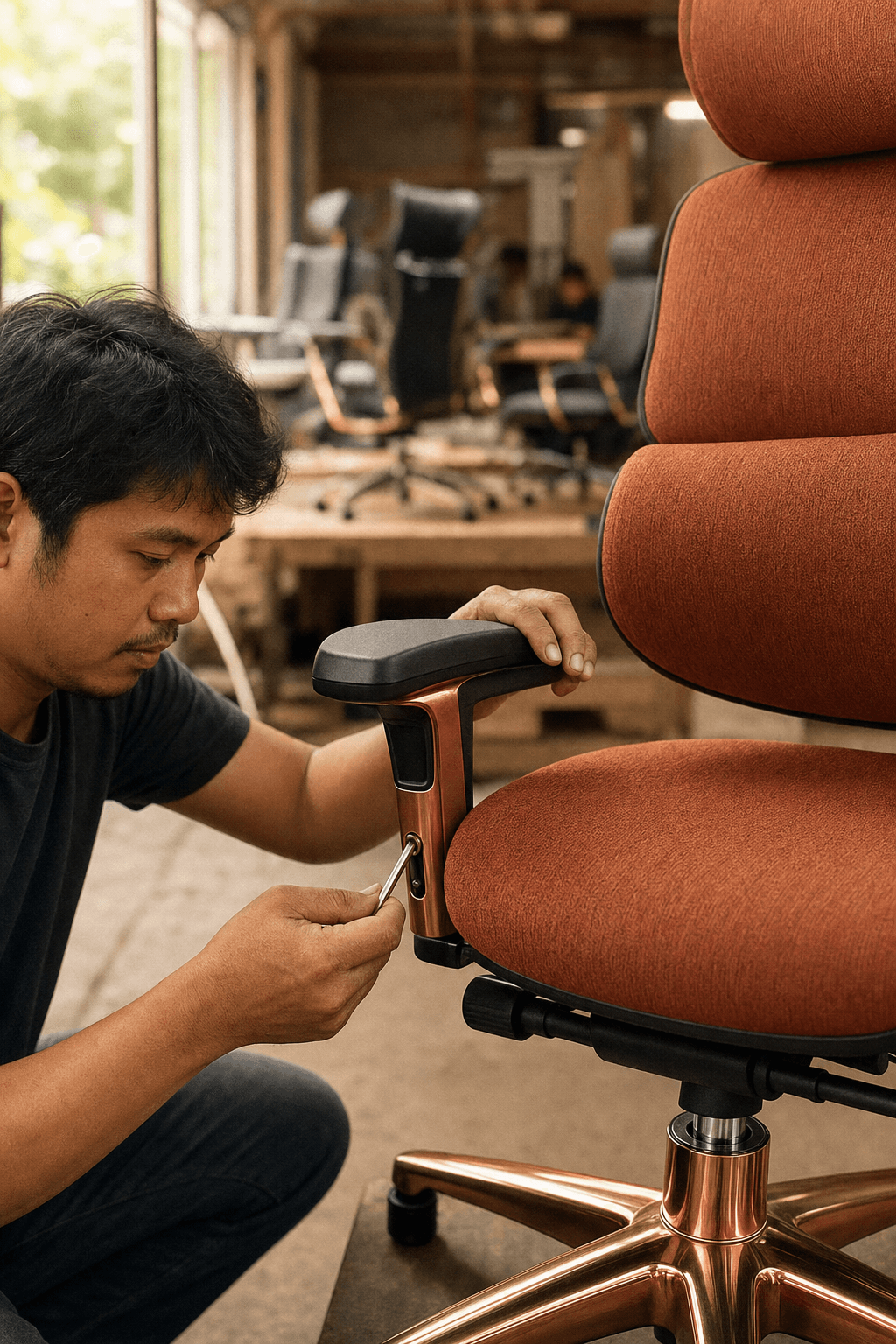
The technological driver behind this mandate is engineered bamboo, often associated with the Silyang Pinoy technology developed by the Department of Science and Technology (DOST). Unlike raw bamboo stalks, engineered bamboo consists of processed slats laminated together to form high density boards that often exceed the tensile strength of traditional hardwoods. This material is uniquely suited for the Philippine climate; it is naturally resilient against the warping and pest infestation that frequently plagues standard timber in high humidity environments. For procurement officers, this means furniture that retains its structural integrity longer, directly protecting the long term investment of the Basic Education Facilities Fund.
Integrating bamboo into the upcoming distribution of over 144,000 sets represents a significant shift in the supply chain. This material choice supports the 1 table, 2 chairs configuration by providing a rigid, stable surface that can handle the weight of digital tools without sagging over time. When evaluating educational solutions, administrators must verify that their office furniture supplier has the specialized capacity to source and manufacture according to these engineered bamboo standards. Compliance with EO 879 is now a critical checkpoint in the government procurement process, ensuring that every classroom set contributes to both environmental sustainability and local industrial growth.
Furniture for the Digital Rise Program: Laptops and Tablets Integration
The evolution of DepEd school furniture Philippines is directly tied to the Digital Rise Program, which aims to put tablets and laptops into the hands of learners nationwide. Standard armchairs, with their narrow and often slanted writing surfaces, were never designed to hold electronic devices securely. The shift to the 1 table, 2 chairs configuration provides the expansive, flat workspace necessary to accommodate both a physical notebook and a 10 to 12 inch tablet or laptop simultaneously.
While this modernization comes with a 39 percent increase in cost per classroom set, the investment addresses the fundamental requirements of 21st century educational solutions. Stability is a core technical requirement for digital integration. Vibrations or wobbles that might be negligible when writing with a pen can be detrimental to delicate electronics. Furthermore, the layout of 23 tables per classroom allows for better cable management and airflow, preventing the clutter and overheating risks associated with high density tech use.
As a specialized office furniture supplier, we recognize that these tables act as the physical backbone for the DepEd digital infrastructure. They ensure that the technology provided through the Basic Education Facilities Fund remains protected and functional, moving the classroom beyond the limitations of cramped, traditional seating.
DepEd Procurement Guidelines and Cooperative Requirements
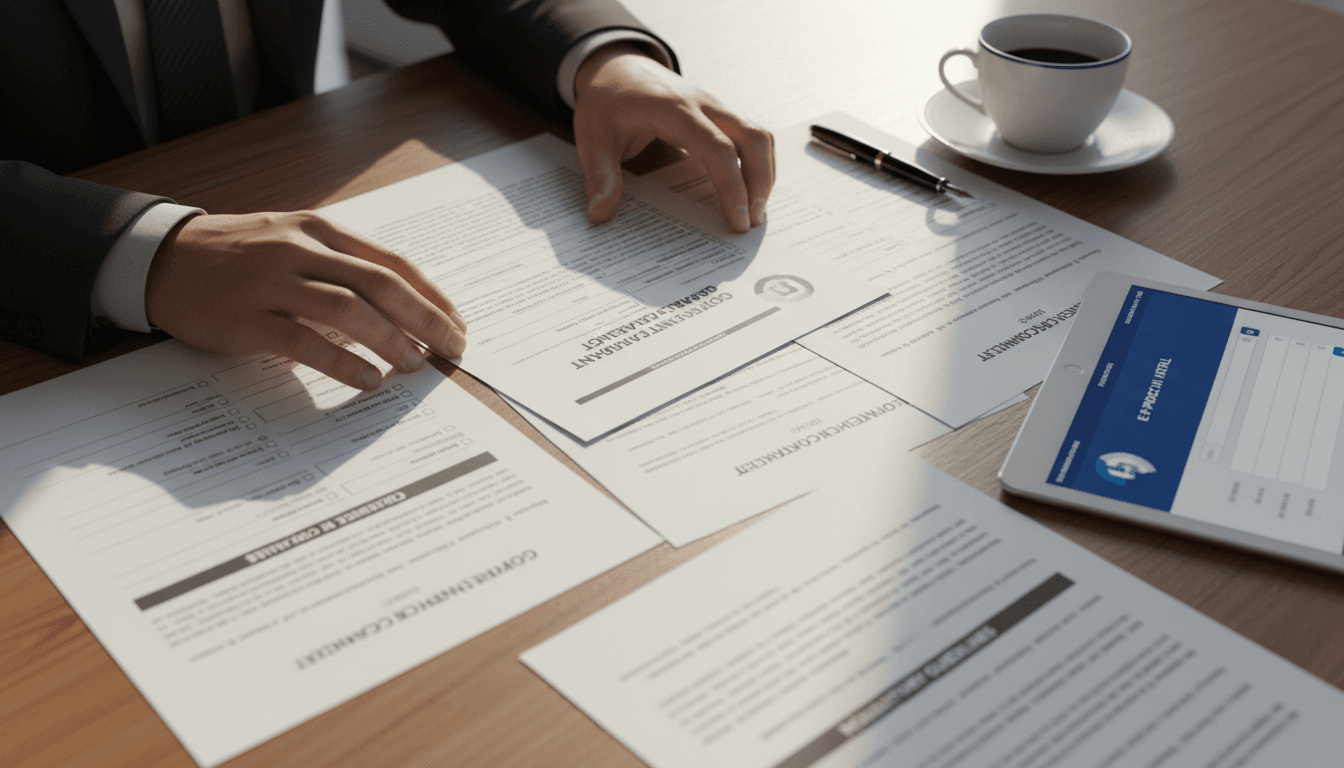
Ensuring the successful acquisition of DepEd school furniture Philippines requires a deep understanding of the legal frameworks governing the Basic Education Facilities Fund (BEFF). DepEd Order No. 35, s. 2017, serves as the primary regulatory guide for the School Furniture Program, establishing a specific mandatory split for budget allocations. This policy is designed to promote social inclusivity and support local industries through a tiered procurement structure.
Under these guidelines, the total annual budget for school furniture is divided to accommodate different types of entities. A significant portion is reserved for cooperatives to ensure they are not sidelined by larger industrial manufacturers. The allocation is structured as follows:
Entity Type | Budget Allocation | Regulatory Framework |
|---|---|---|
PWD (Persons with Disability) Cooperatives | 10% | DepEd Order No. 35, s. 2017 |
Other Cooperatives | 15% | DepEd Order No. 35, s. 2017 |
Regular Suppliers | 75% | RA 9184 / RA 12009 |
While traditional government procurement has long operated under Republic Act No. 9184, the transition toward Republic Act No. 12009, also known as the New Government Procurement Act, introduces more streamlined pathways for biddings. This newer law emphasizes "value for money" rather than simply selecting the lowest bid, which is crucial when evaluating the long term durability of specialized educational solutions.
For school administrators and division offices, the path to becoming a recipient school relies heavily on the Enhanced Basic Education Information System (EBEIS). The Department of Education prioritizes furniture distribution based on three main criteria: newly constructed classrooms under the BEFF, classrooms with a critical shortage where the learner to furniture ratio is high, and the immediate replacement of condemned or unusable wooden units. Ensuring that EBEIS data is updated and accurate is the most effective way for a school to signal its need to the Central Office. When an office furniture supplier eventually delivers these sets, they must align perfectly with these documented needs to ensure the right furniture reaches the right learners.
Procuring Quality Classroom Furniture in the Philippines
Achieving successful procurement of DepEd school furniture Philippines requires looking beyond the initial acquisition cost to the total cost of ownership. Durability is paramount, particularly when furniture must withstand high-traffic environments and the humid climate of the Philippines. Procurement officers must prioritize suppliers who strictly adhere to the CY 2023 inspection standards. These protocols involve rigorous checks for dimensional accuracy, weld strength in steel frames, and the quality of edge banding on 18mm boards to prevent delamination.
A reliable partner provides more than just a delivery truck; they offer comprehensive post-delivery maintenance. This is essential for ensuring that classroom sets remain safe and functional throughout their projected eight-year lifecycle. When evaluating an office furniture supplier, verify their track record in government procurement and their ability to provide technical support after the initial installation.
Inspection Component | Quality Benchmark |
|---|---|
Frame Integrity | Continuous welds, uniform powder coating |
Surface Board | 18mm thickness, high-pressure laminate |
Compliance | Adherence to CY 2023 Inspection Protocols |
Durability | Post-delivery maintenance and warranty support |
RA Integrated Solutions serves as a specialized partner for these complex educational solutions. We ensure that every piece of furniture, from collaborative learner tables to seating and storage systems, meets the specific technical mandates set by the Department of Education. By focusing on precision engineering and strict compliance with national standards, we help institutions create learning environments that are built to last.
Navigating the evolving 2026 DepEd specifications and bamboo compliance requirements is essential for creating modern, sustainable learning environments in the Philippines. While these guidelines ensure quality and eco-friendly standards, managing the procurement process can be quite intricate. If you want expert help to align your school projects with these new mandates, we are here to support your vision. You can learn more about our commitment to excellence and how our team simplifies school furniture solutions to help you meet every regulatory standard with confidence.