Effective office furniture maintenance Philippines focuses on routine cleaning, regular component inspections, and utilizing professional repair services to maximize the longevity of institutional assets. By following strict procurement warranties and preventative care schedules, organizations can reduce replacement costs and ensure their furniture remains in peak condition for years.
In the fast-paced environments of Philippine government agencies and corporate headquarters, the sight of prematurely worn ergonomic chairs or jammed mobile compactors represents more than just a minor inconvenience; it signifies a significant depletion of capital investment. Maintaining a professional workspace in our tropical climate requires more than occasional dusting. It demands a proactive strategy to preserve functionality, safety, and aesthetic integrity. Whether you are managing high-density storage or modular workstations, understanding the technical requirements of upkeep ensures your fit-outs perform as intended for years. This guide explores the essential practices for office furniture maintenance, covering everything from specific care for operable partitions to navigating the complexities of warranty and maintenance under RA 9184 and RA 12009. You will learn how a dedicated maintenance policy can optimize your organization’s budget while securing the long-term value of your institutional assets.
Understanding the Office Furniture Lifecycle in the Philippine Context
In the local furniture industry, the term lifecycle encompasses the entire duration an asset remains functional and safe, moving from initial acquisition through operation and maintenance to eventual decommissioning. For procurement officers and facility managers, understanding the Total Cost of Ownership (TCO) is more critical than the initial purchase price. TCO accounts for delivery, installation, routine upkeep, and the significant costs of operational downtime caused by equipment failure.
The Philippine environment presents unique challenges that test the durability of these assets. High relative humidity can compromise fabric integrity and lead to oxidation on metal bases if surfaces are not treated or maintained. Furthermore, in government and institutional settings, furniture faces high-intensity, multi-shift usage and the frequent need for layout reconfigurations.
Selecting residential-grade items for a commercial setting is a frequent error that results in a lifespan of only 3 to 5 years. In contrast, commercial-grade assets, such as a heavy-duty mobile compactor or modular workstation, are engineered for a 10 to 15 year service life when supported by professional office furniture maintenance services. Prioritizing [office furniture maintenance Philippines] allows organizations to maximize their government procurement budgets by preventing the premature replacement of assets that should otherwise last a decade or more.
Preventive Maintenance for Office Seating and Ergonomic Chairs
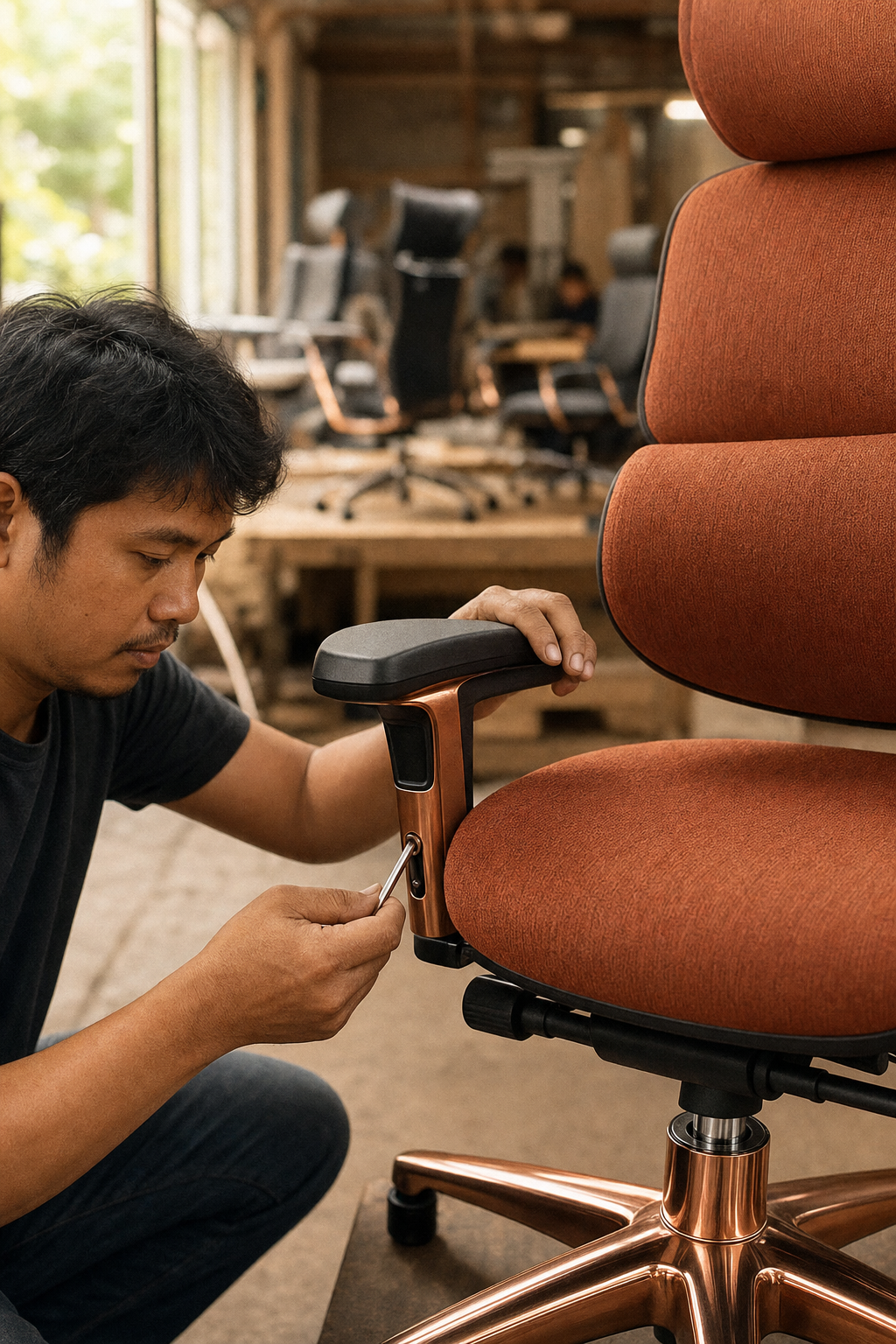
Ergonomic chairs are high-performance mechanical tools that require more than just surface cleaning to remain functional. To ensure these assets meet BIFMA (Business and Institutional Furniture Manufacturers Association) standards for durability and safety, facility managers must implement a technical maintenance schedule that goes beyond aesthetics.
The Philippine climate, characterized by high relative humidity, poses a specific threat to seating upholstery and internal components. Moisture trapped in fabric foam can lead to microbial growth and premature degradation of the cushioning materials. Regular vacuuming with a HEPA filter removes dust that attracts moisture, while a light application of silicone-based polish on metal bases creates a protective barrier against oxidation and rust.
Component | Maintenance Action | Frequency |
|---|---|---|
Pneumatic Cylinder | Wipe shaft with a dry cloth; check for height drift | Bi-annually |
Casters | Remove debris and hair; inspect for flat spots | Annually |
Structural Bolts | Tighten seat pan and armrest fasteners | Quarterly |
Tilt Mechanism | Lubricate pivot points with dry Teflon spray | Bi-annually |
Maintaining pneumatic cylinders is critical, as they are the most common failure point. Avoid applying heavy oils to the cylinder shaft, as this attracts grit that destroys the internal seals. Instead, keep the shaft clean and dry. Differentiating between routine hygiene and structural audits is essential for professional office furniture maintenance services. While janitorial staff handle spills, technical teams must evaluate the mechanical components to prevent the common "sinking chair" syndrome. This proactive approach ensures that seating procured through government procurement routes remains viable for its full ten-year design life, rather than failing prematurely due to neglect.
Maintaining High Density Storage and Mobile Compactor Systems
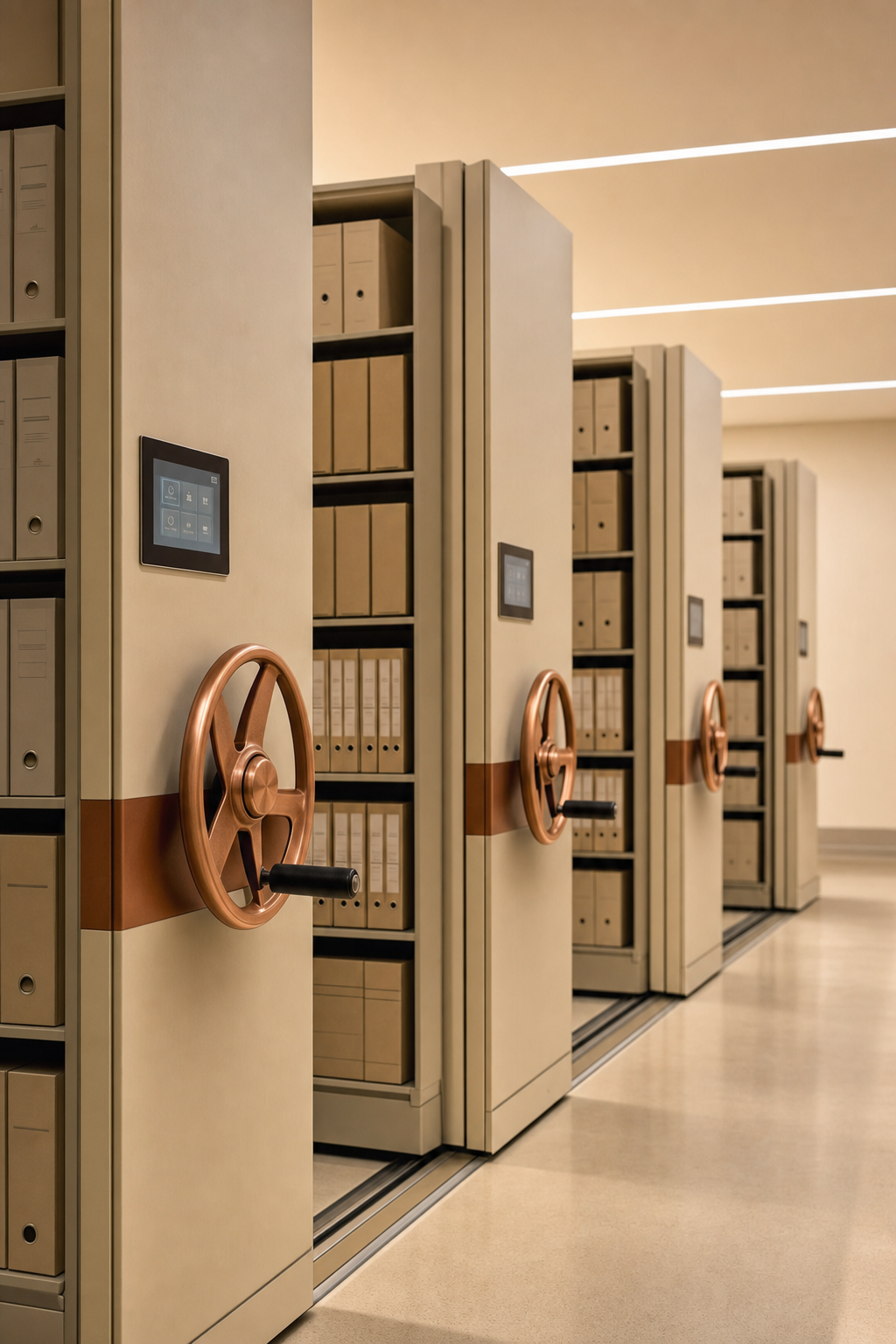
High-density storage solutions, particularly the mobile compactor, represent one of the most significant capital investments for institutional archives, hospital records departments, and government administrative offices. Unlike static shelving, these systems rely on precision engineering to move tons of weight with minimal effort. At RA Integrated Solutions, we emphasize that failure in these systems is rarely sudden; it is usually the result of incremental neglect in track hygiene and mechanical alignment.
Maintenance requirements vary by system type. Manual mechanical systems require quarterly gear lubrication and chain tension adjustments to ensure smooth operation. For electrical or intelligent systems, technical teams must inspect infrared safety sensors and control boards to prevent lockouts. Regardless of the drive type, track cleaning is the most critical daily task. Even small debris like paperclips or accumulated dust can cause wheels to skip or derail, leading to structural stress on the carriages.
System Component | Maintenance Focus | Institutional Risk |
|---|---|---|
Floor Tracks | Debris removal and leveling | Carriage derailment and floor damage |
Drive Gears | Lubrication and tensioning | Operational stall in critical archives |
Safety Sensors | Calibration and cleaning | Personnel injury or system lockout |
Anti-Tip Rails | Structural integrity check | Heavy-load tipping hazards |
For organizations managing government procurement assets, a malfunctioning compactor can stall critical operations, such as patient record retrieval or audit compliance. While basic cleaning is manageable by janitorial staff, structural repairs should never be a DIY project. The weight distribution in high-density systems makes them dangerous if mishandled. Scheduling professional office furniture maintenance services ensures that ocular inspections identify misalignments before they become catastrophic failures, preserving the safety of both the staff and the stored records. Effective office furniture maintenance Philippines programs must prioritize these high-load assets to avoid the prohibitive costs of emergency repairs or full system replacement.
Care and Upkeep of Operable Partition Walls and Modular Workstations
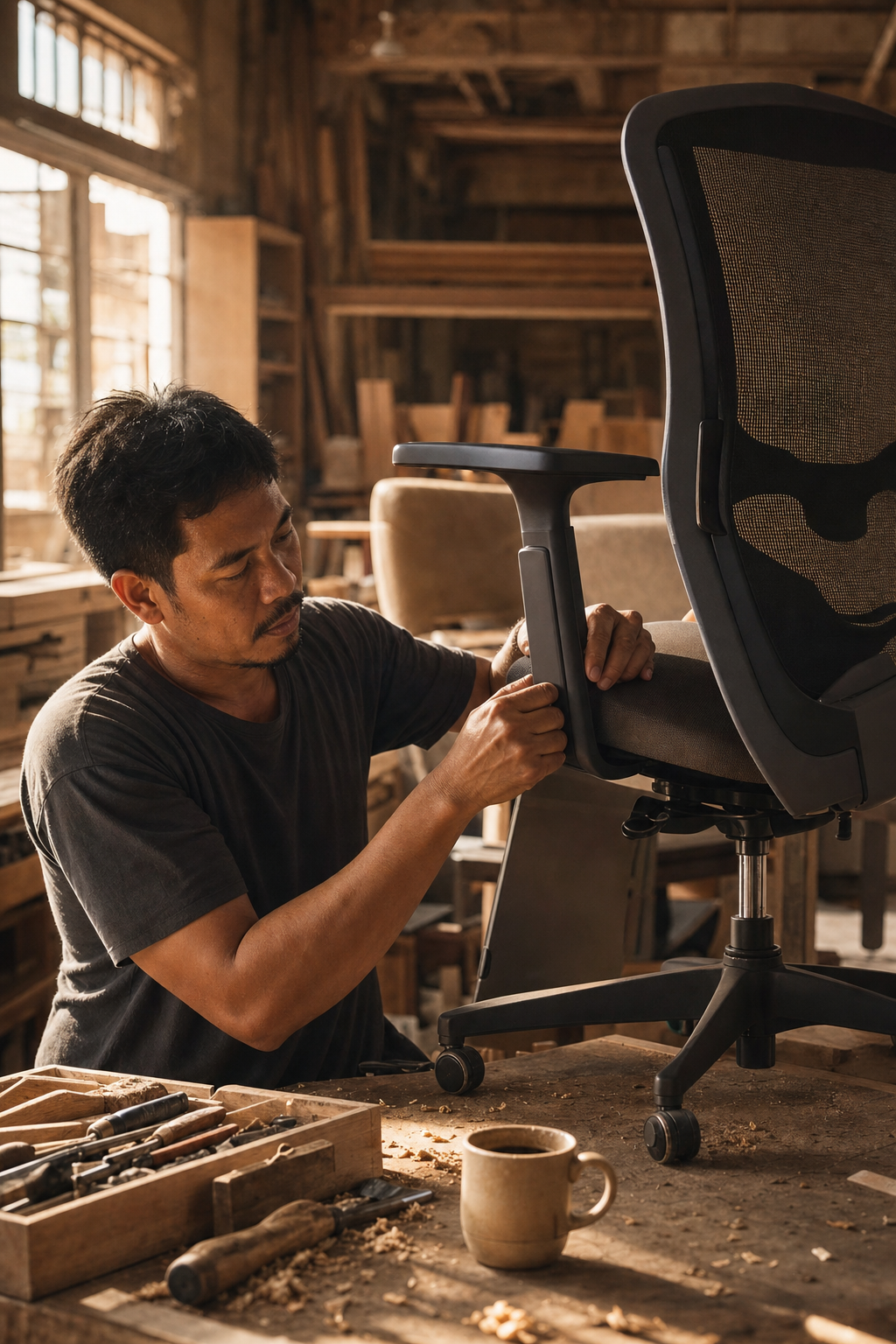
Operable partition walls and modular workstations require a different maintenance approach focused on mechanical precision and surface durability. In multi-purpose halls and government plenary rooms, the functionality of operable walls depends entirely on the integrity of the overhead track system and the condition of the acoustic seals. Even a minor misalignment can create gaps that bypass the Sound Transmission Class (STC) rating, rendering the soundproofing ineffective. Regular office furniture maintenance services must include cleaning the tracks to remove debris that causes rollers to bind; such resistance can eventually lead to permanent structural damage to the ceiling carrier.
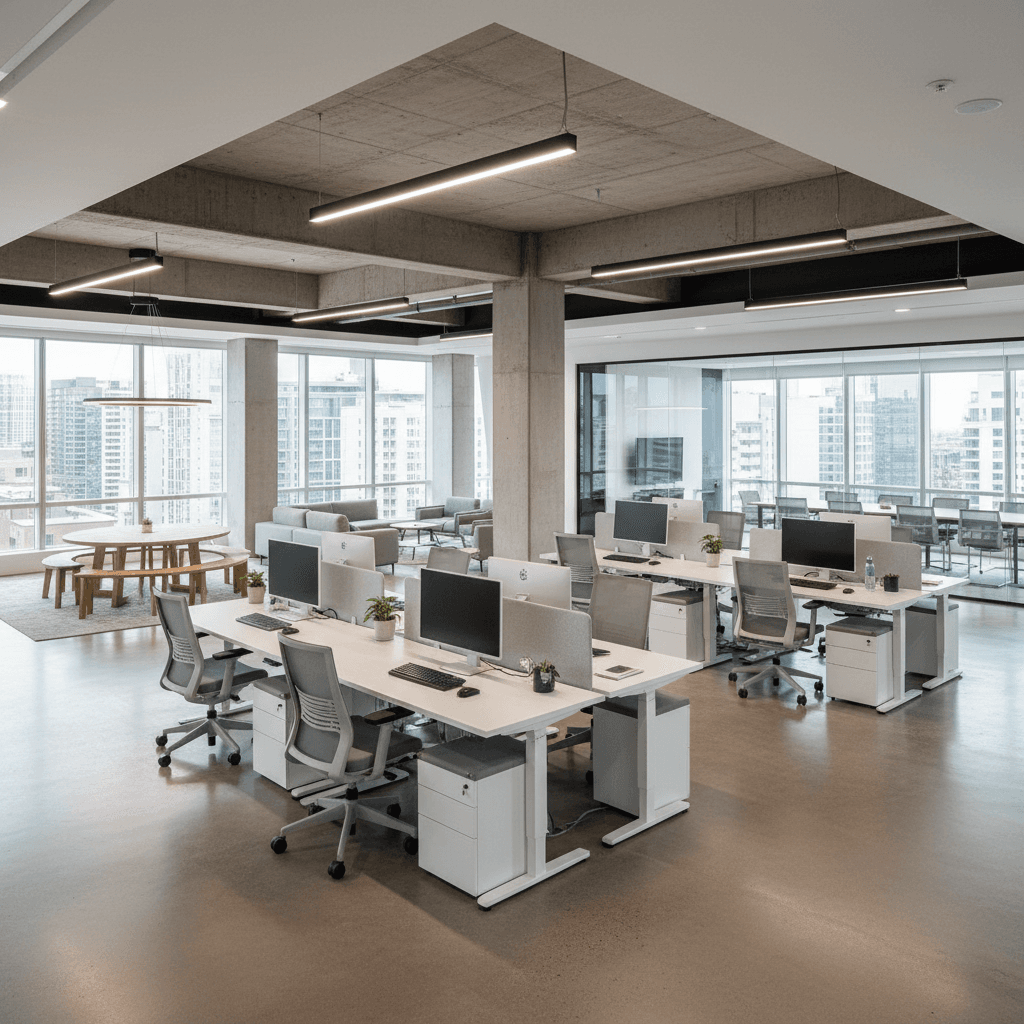
For modular workstations, the focus shifts to cable management and surface integrity. In high-traffic commercial environments, the edge banding on work surfaces is susceptible to peeling if moisture from cleaning agents or high humidity seeps into the adhesive. Once the seal is broken, the core material expands, often requiring a total replacement of the tabletop to maintain professional standards. Additionally, integrated cable trays must be inspected to ensure they are not overloaded, which can strain mounting brackets and create potential fire hazards. Technical site assessments, a core component of [office furniture maintenance Philippines], ensure that these modular systems remain adaptable and safe for long-term use in large-scale government procurement projects.
Navigating Warranty and Maintenance under RA 9184 and RA 12009
Procurement officers and facility managers in the Philippines operate within a structured legal framework that dictates how furniture assets are protected after installation. Under Republic Act 9184, also known as the Government Procurement Reform Act, the concepts of Warranty Security and the Defect Liability Period are central to government procurement. For office furniture, the Defect Liability Period typically covers one year from the date of final acceptance. During this window, the supplier is legally mandated to address any manufacturing defects or installation errors. To ensure compliance, a percentage of the contract price, often between one and five percent, is held as retention money or covered by a bank guarantee until the warranty expires.
While RA 9184 focused heavily on the lowest bid, the introduction of Republic Act 12009, the New Government Procurement Act, marks a pivot toward lifecycle costing. This legislation allows agencies to evaluate the Most Economically Advantageous Tender (MEAT). In the context of [office furniture maintenance Philippines], this means that a higher-quality mobile compactor or ergonomic chair with a documented 15 year lifespan and accessible office furniture maintenance services can be prioritized over a cheaper alternative that lacks long term durability.
Procurement Provision | RA 9184 Standard Practice | RA 12009 Potential Impact |
|---|---|---|
Primary Metric | Lowest Calculated Responsive Bid (LCRB) | Value for Money and Lifecycle Costing |
Warranty Duration | Typically one year for parts and labor | Potential for longer, performance-based terms |
Security Requirement | 1% to 10% retention for defects | Focus on quality of post-sales support |
Evaluation Criteria | Technical compliance and price | Technical merit, sustainability, and TCO |
This shift benefits institutional buyers by justifying the purchase of commercial grade assets that offer better acoustic seals on partition walls or more robust gear systems in compactors. By moving away from the lowest initial price, organizations can secure furniture that remains functional well beyond the standard one year defect period, ultimately reducing the frequency of replacement cycles and the strain on public or corporate funds.
The Economics of Maintenance: Why Quality Fit-Outs Cost Less Over Time
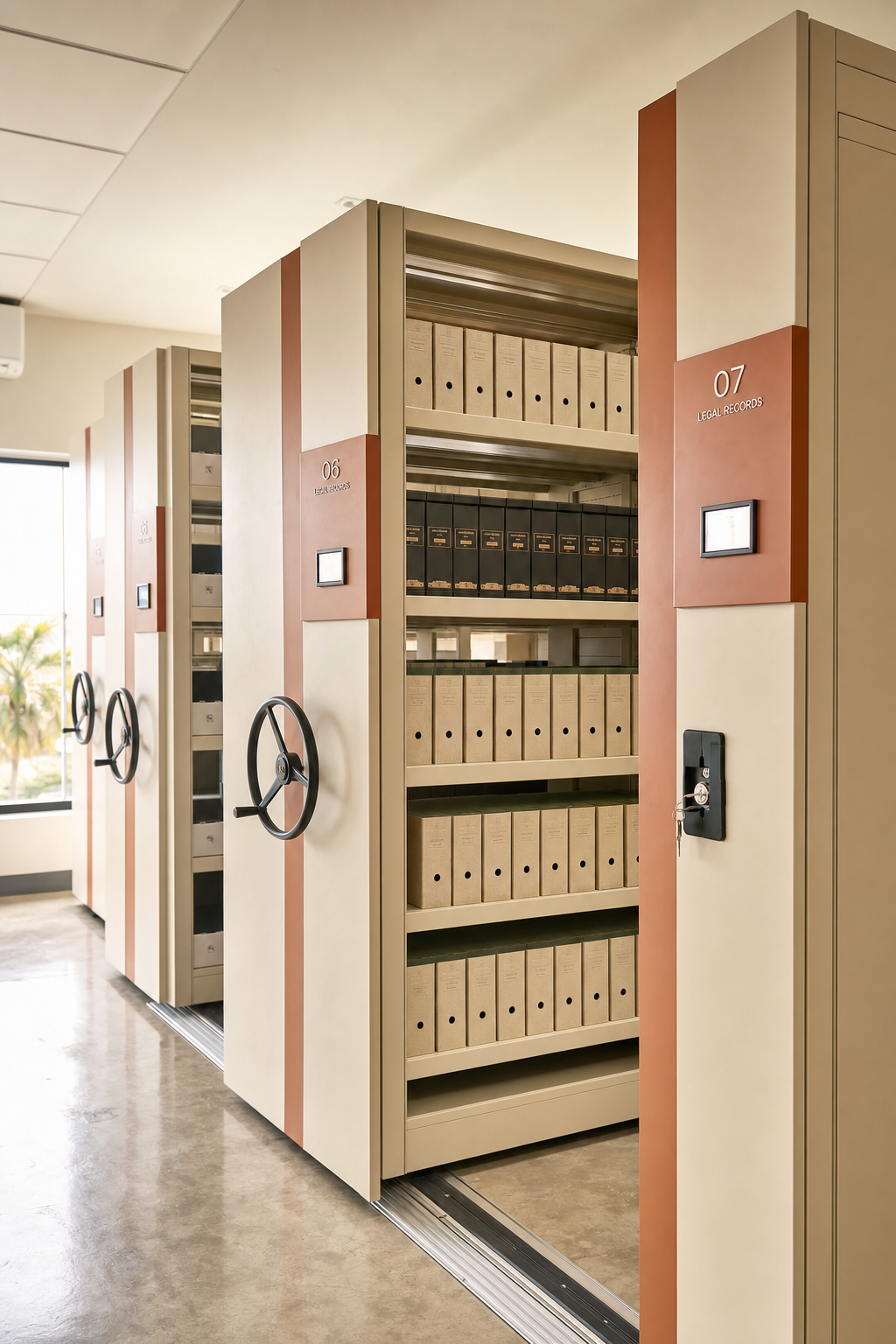
Focusing purely on the Lowest Calculated Responsive Bid often masks the true financial impact of an office fit-out. A lower-specification installation might last only 5 years, requiring two complete replacement cycles to match the 15-year service life of a commercial-grade system. Industry research indicates that while premium assets have higher upfront costs, they yield 30 to 40 percent long-term savings. This is largely due to reduced replacement frequency and more predictable office furniture maintenance services costs over time.
The hidden costs of furniture failure extend far beyond the price of the item itself. When a mobile compactor or workstation cluster fails, the organization incurs significant expenses related to staff downtime, the logistical burden of team relocation, and the technical costs of IT reconfiguration during the swap. Furthermore, disposing of low-quality, non-recyclable furniture adds environmental fees and logistical hurdles often omitted from initial budget projections.
RA Integrated Solutions mitigates these risks by acting as a technical partner. By providing detailed shop drawings and comprehensive site assessments before installation, we ensure that every asset is optimized for its specific environment. This level of precision in government procurement planning, paired with structured [office furniture maintenance Philippines] programs, prevents premature mechanical failure and ensures long-term operational efficiency.
Creating an Office Furniture Maintenance Policy for Your Organization
Facilities managers should implement a formalized maintenance manual that categorizes tasks by frequency and technical complexity. A structured schedule prevents minor wear from becoming a systemic failure.
Frequency | Action Type | Primary Objective |
|---|---|---|
Daily | Housekeeping | Surface dusting and sanitizing high-touch areas |
Quarterly | Technical | Deep cleaning upholstery and clearing debris from tracks |
Annually | Structural | Professional structural audit and mechanical calibration |
Robust [office furniture maintenance Philippines] programs must also satisfy the documentation standards of the Commission on Audit (COA). Logging every intervention for a mobile compactor or workstation cluster, including specific technician signatures and parts replaced, provides essential proof of asset stewardship. This documentation is critical for justifying future budget allocations and proving that the organization has maximized the lifecycle of its government procurement assets. Relying on professional office furniture maintenance services as part of an after-sales program ensures that warranties remain valid and that all repairs utilize manufacturer-approved components.
Maximizing the lifespan of your office furniture requires a proactive approach to care and regular inspections. Whether you manage a large government institution or a growing commercial office, protecting these assets ensures better value and a professional environment for your team. If you want expert help managing your facility assets, we are here to support your journey. Please feel free to view our full range of services to see how we can help you maintain a functional and beautiful workspace for years to come.