Educational furniture procurement Philippines follows a regulated public bidding process governed by the Department of Education, focusing on door-to-door delivery and adherence to standard specifications under the Basic Education Facilities Fund. Current trends prioritize sustainable materials like engineered bamboo and flexible, lightweight designs that accommodate evolving pedagogical needs and institutional replacement cycles.
Navigating the complexities of educational furniture procurement in the Philippines often feels like balancing tight budget constraints against strict regulatory compliance. For administrators and procurement officers, the primary challenge lies in sourcing ergonomic, durable solutions that meet DepEd or CHED standards while enduring the rigors of high-density tropical environments. Selecting inadequate pieces leads to premature wear, wasted capital, and compromised student safety. At RA Integrated Solutions, we recognize that high-quality infrastructure serves as the fundamental bedrock of effective learning. This guide provides an expert overview of the procurement landscape, starting with the intricacies of the Basic Education Facilities Fund and moving into the latest trends in sustainable classroom design for 2026. You will learn how to navigate the full lifecycle of a school fit-out, ensuring your institution remains competitive and compliant through strategic, localized sourcing.
The State of Educational Infrastructure and Procurement in the Philippines
The educational furniture market in the Philippines is undergoing a significant transformation, with projections suggesting a valuation of approximately $1.2 billion in the coming years. This growth is largely driven by the Department of Education's (DepEd) ambitious targets for 2026, which include the construction of 25,000 classrooms. These figures illustrate the massive scale of infrastructure development needed to address classroom shortages and modernize learning spaces nationwide.
In the current landscape, educational furniture procurement Philippines has shifted from simply filling floor space to strategically designing environments that foster modern pedagogy. Administrators and facility managers now prioritize furniture that supports collaborative learning, student well-being, and long-term durability. This evolution requires a nuanced understanding of the differences between public and private sectors. Public sector projects typically follow the Basic Education Facilities Fund (BEFF) guidelines, where government procurement involves strict adherence to standardized designs and Minimum Performance Standards and Specifications (MPSS).
In contrast, private institutional needs often allow for more customized fit-outs tailored to specific brand identities or innovative teaching methods. Navigating these distinct procurement pathways is essential for ensuring that every piece of furniture, from ergonomic seating to high-density storage, contributes to a functional and resilient educational facility. Successful implementation requires aligning these technical requirements with the practical demands of the Philippine academic environment.
Understanding DepEd Standards: The Basic Education Facilities Fund (BEFF) Requirements
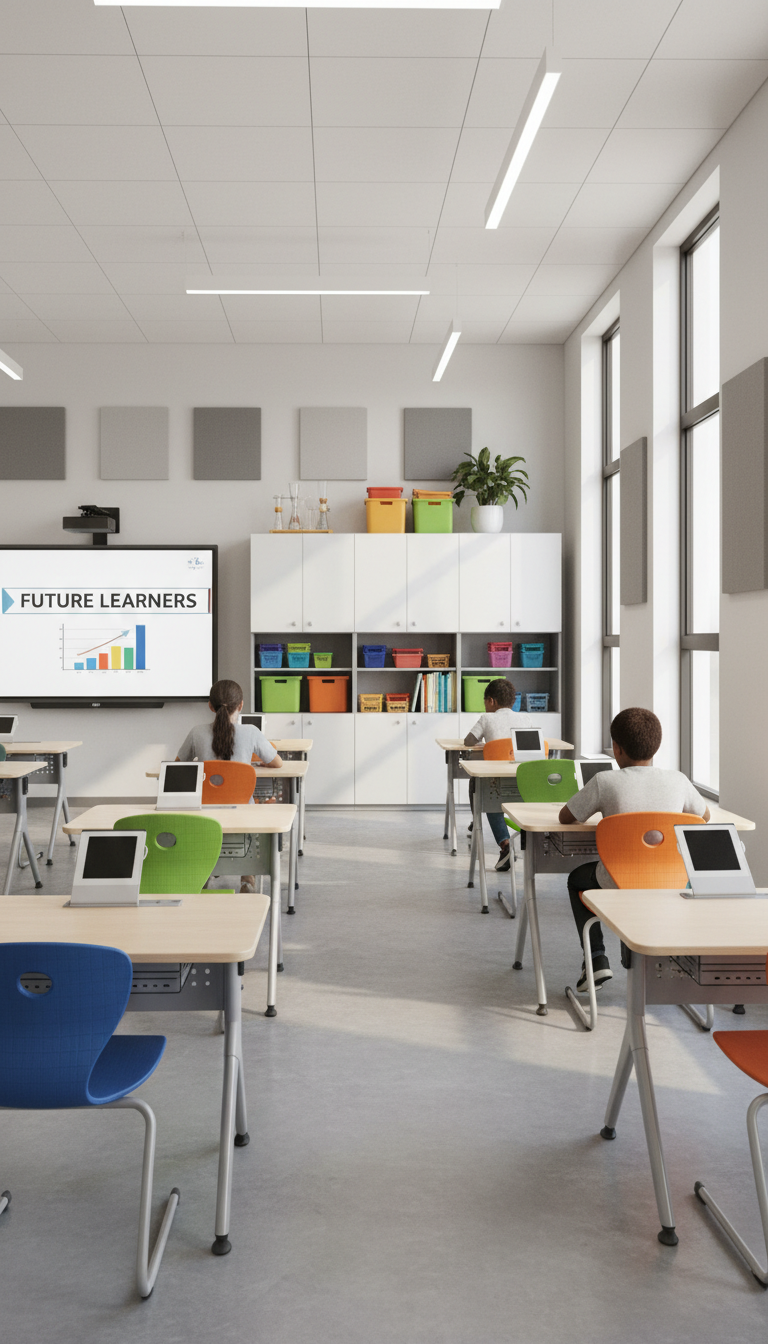
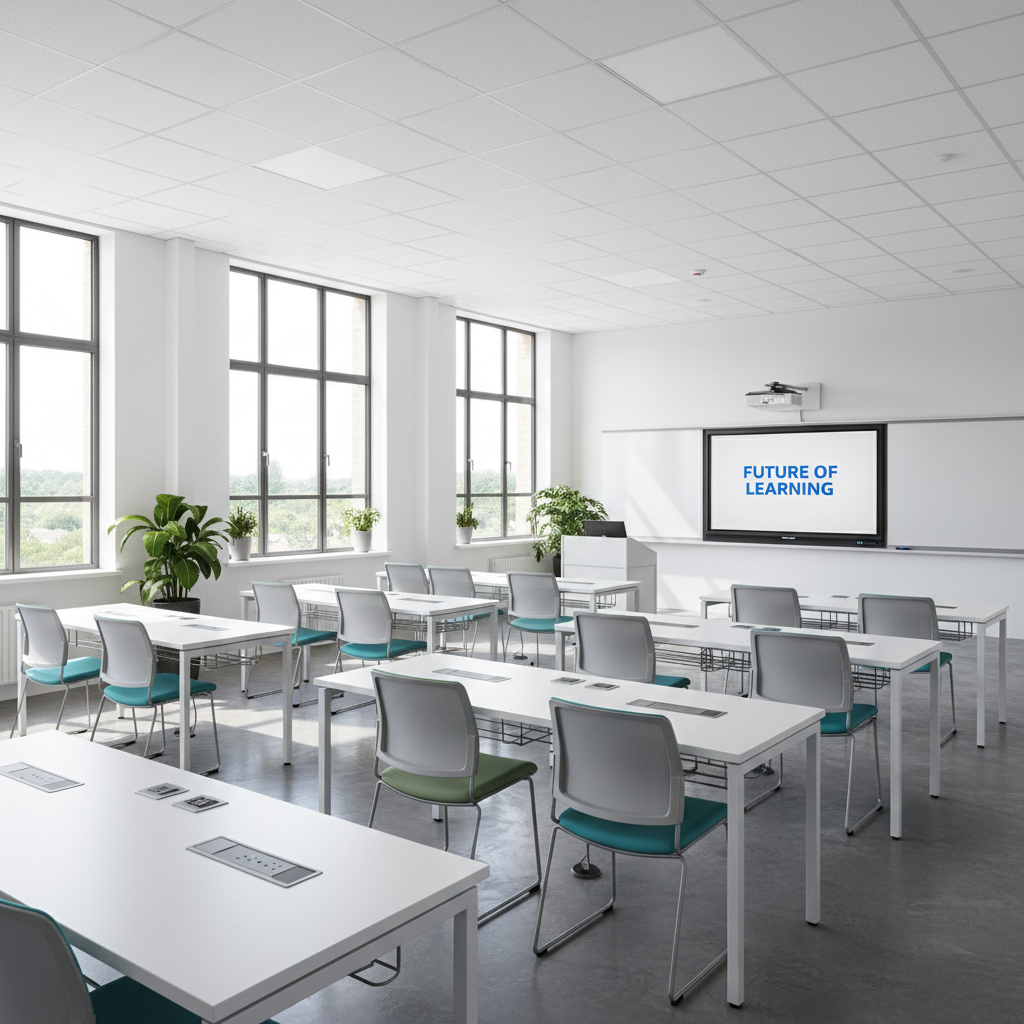
The 2024 to 2026 procurement cycle marks a definitive shift in how public school classrooms are equipped, driven by the Basic Education Facilities Fund (BEFF). For those managing educational furniture procurement Philippines, the most notable change is the departure from traditional individual armchairs in favor of the '1 table, 2 chairs' configuration. This layout is specifically designed to facilitate collaborative learning and provide students with a more stable, expansive surface for their materials.
From a budgeting perspective, Bids and Awards Committee (BAC) members must account for a higher investment per classroom. While the traditional armchair model was lower in initial cost, the current two-seater set is benchmarked at approximately P4,800.00. A standard classroom setup, which supports 45 to 46 learners, typically consists of 23 tables, 46 chairs, and one teacher's desk and chair set. This brings the total estimated cost per classroom to P114,400.00. While this represents a 39 percent increase in cost compared to older configurations, the design supports improved classroom ergonomics and long term durability.
Item Description | Quantity per Classroom | Estimated Cost Basis |
|---|---|---|
Learner's Table (2-Seater) | 23 | P4,800.00 per set |
Learner's Chairs | 46 | Included in set cost |
Teacher's Table and Chair Set | 1 | Included in package |
Total Classroom Estimate |
| P114,400.00 |
Compliance with the Minimum Performance Standards and Specifications (MPSS) is non negotiable. A key highlight of the current MPSS is the push for engineered bamboo. This material choice addresses both sustainability and climate resilience; engineered bamboo offers the structural integrity of hardwood while being better suited to the Philippines' humidity and high usage environments.
To ensure a successful government procurement process, BAC members should verify that suppliers can adhere to the three stage inspection protocol. This includes a pre-delivery factory inspection to verify materials, site verification during delivery, and a final post-delivery installation audit. These steps are essential to ensure the furniture meets the 8 year replacement cycle mandated by DepEd guidelines, protecting the institution's long term ROI.
CHED and Higher Education: Planning for Universities and Colleges
Transitioning from basic education to higher education requires a significant shift in procurement strategy, as universities and colleges must adhere to the CHED 2026 Planning and Design Guidelines. While DepEd focuses on standardized classroom sets for large-scale distribution, Higher Education Institutions (HEIs) face more complex requirements dictated by specialized curricula and administrative mandates. Compliance with specific CHED memorandum orders is essential, particularly regarding facilities management and construction standards that ensure student safety and institutional accreditation.
University lecture halls, for example, require tiered theater seating that incorporates writing tablets and durable upholstery to withstand high-traffic use across multiple departments. Laboratories for science, medical, and engineering programs demand specialized stools and workstations that meet stringent ergonomic and material standards, often requiring chemical resistance or ESD-safe properties. These are precision tools for learning rather than simple furniture pieces.
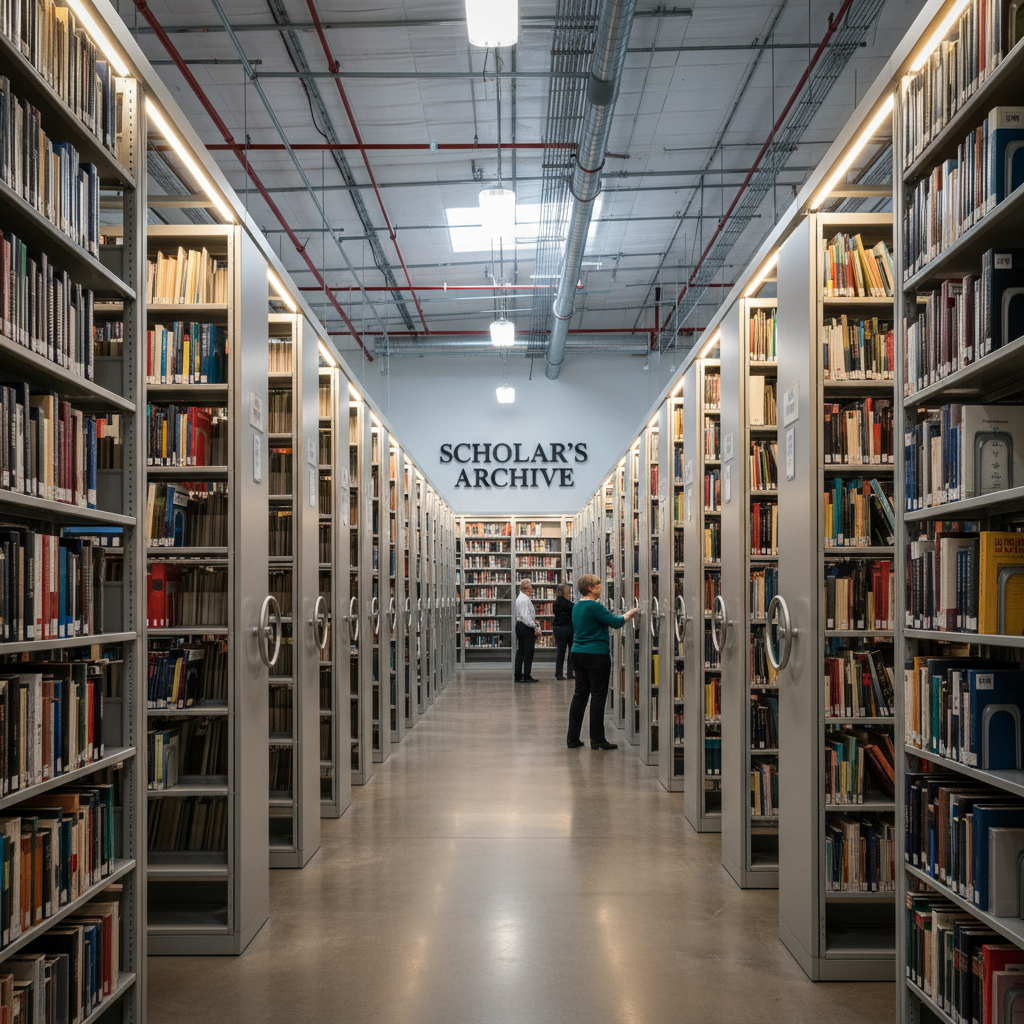
Beyond the classroom, the registrar’s office often faces the challenge of managing decades of student records within limited floor plans. Partnering with a professional mobile compactor supplier allows HEIs to implement high-density storage solutions that maximize vertical and horizontal space while securing sensitive archives in accordance with data privacy and institutional retention policies. In large multi-purpose halls, the use of operable partition walls enables the university to split vast spaces into smaller seminar rooms or testing centers as needed. Effective educational furniture procurement Philippines in the tertiary sector balances these diverse functional needs with a level of sophistication appropriate for a professional, higher-learning environment.
Top 2026 Trends in Philippine Classroom Design: Flexibility and Sustainability
The 2026 design landscape for Philippine schools focuses on agility. Static rows of heavy desks are being replaced by modular systems that support varied instructional methods. The flexible classroom concept relies on lightweight, folding, and mobile furniture. For example, tables with locking casters allow teachers to shift from a traditional lecture setup to small group clusters or isolated testing stations in minutes. This adaptability is a primary consideration in modern educational furniture procurement Philippines, as institutions must maximize the utility of every square meter to accommodate fluctuating class sizes and teaching styles.
Sustainability is the second pillar of this evolution. The shift toward engineered bamboo is more than an environmental choice; it is a practical response to the Philippine climate. Engineered bamboo boards provide superior resistance to warping and moisture compared to traditional hardwoods, making them ideal for classrooms that are not consistently climate-controlled. This material also aligns with the latest DepEd Minimum Performance Standards and Specifications, ensuring that long-term durability is built into the procurement cycle.
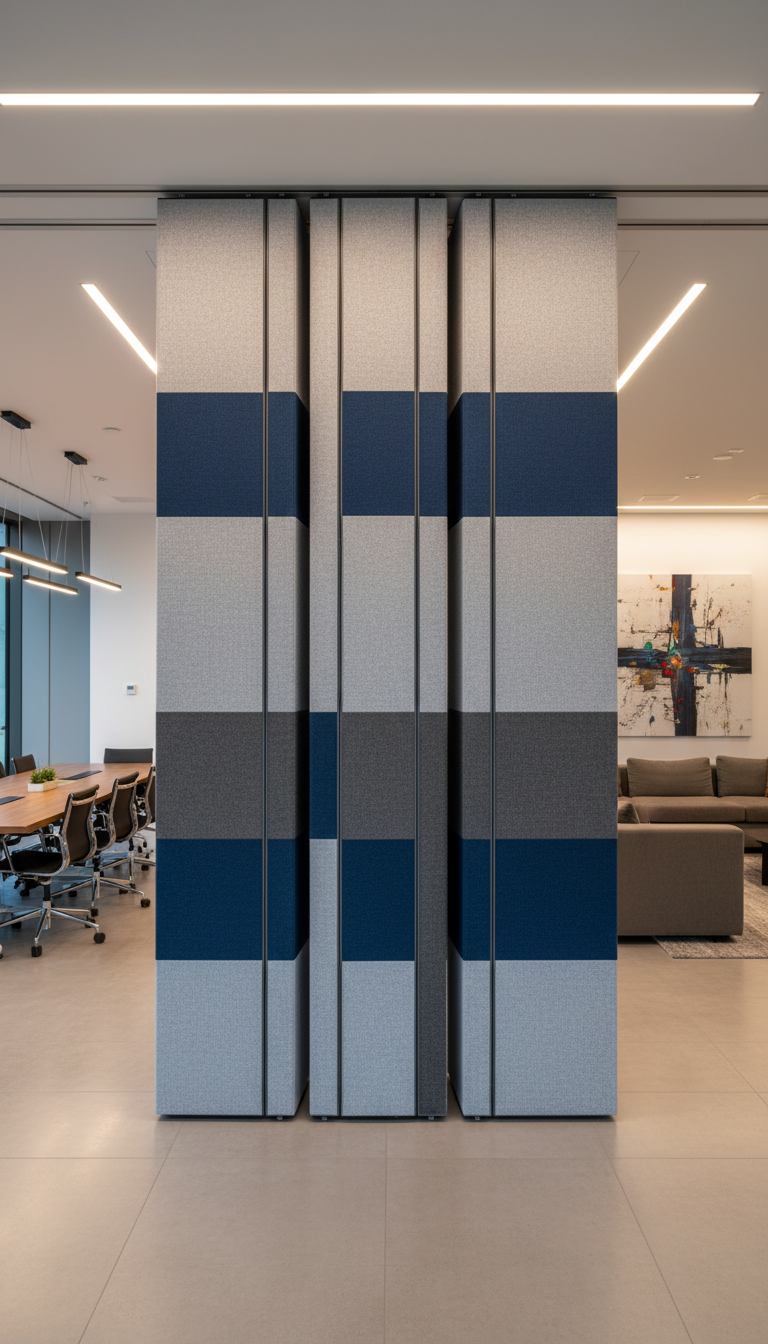
Modern fit-outs are also beginning to address a long-overlooked factor: classroom acoustics. As teaching styles become more interactive and collaborative, noise levels naturally rise. Emerging trends include the integration of sound-dampening operable partition walls that prevent sound bleed between adjacent learning spaces while maintaining the ability to expand the room. Managing the acoustic footprint of a classroom is now considered as vital as its lighting or ventilation. By selecting materials and layouts that minimize echo and external noise, institutions can significantly improve student focus and teacher clarity.
Essential Furniture Checklist for Modern Educational Institutions
The evolution toward agile learning environments requires a procurement strategy that extends far beyond the basic one table, two chairs model. For institutions navigating educational furniture procurement Philippines, building a future proof facility involves integrating specialized architectural products that solve specific spatial and administrative challenges. A comprehensive checklist for a modern campus must account for the following categories:
Modular and Flexible Desking: To support the shift toward collaborative pedagogy, look for moveable, flip top, or nesting tables. These allow classrooms to transition between lecture modes and group workshops in minutes. High quality units should feature impact resistant edge banding and industrial grade locking casters.
Ergonomic Staff Seating: Faculty and administrative staff spend significant hours in stationary positions. Procurement should include task chairs with adjustable lumbar support, seat depth, and breathable mesh backrests to ensure long term health and productivity in accordance with modern occupational standards.
High-Density Mobile Compactors: Student archives, registrar records, and library collections expand annually. Partnering with a specialized mobile compactor supplier allows institutions to implement systems that reduce the storage footprint by up to 50 percent, effectively reclaiming floor space for active learning or office use.
Operable Partition Walls: Maximizing the utility of large spaces like social halls or gymnasiums requires flexibility. Installing operable partition walls enables the instantaneous division of space for testing centers or seminars. These systems must provide verified sound insulation to prevent acoustic interference between divided rooms.
Specialized Theater and Auditorium Seating: For large scale venues, institutions require tiered theater seating or stadium style solutions. Selection criteria should prioritize floor pitch compatibility, fire safety ratings, and acoustic impact to ensure a professional environment for assemblies and performances.
When managing government procurement or private institutional upgrades, selecting a partner capable of supplying this full breadth of equipment ensures consistency in aesthetic finishes, structural warranty, and installation standards. These five categories form the infrastructure necessary to meet both DepEd and CHED mandates for a high performance educational facility.
The Procurement Lifecycle: From Bidding to Maintenance
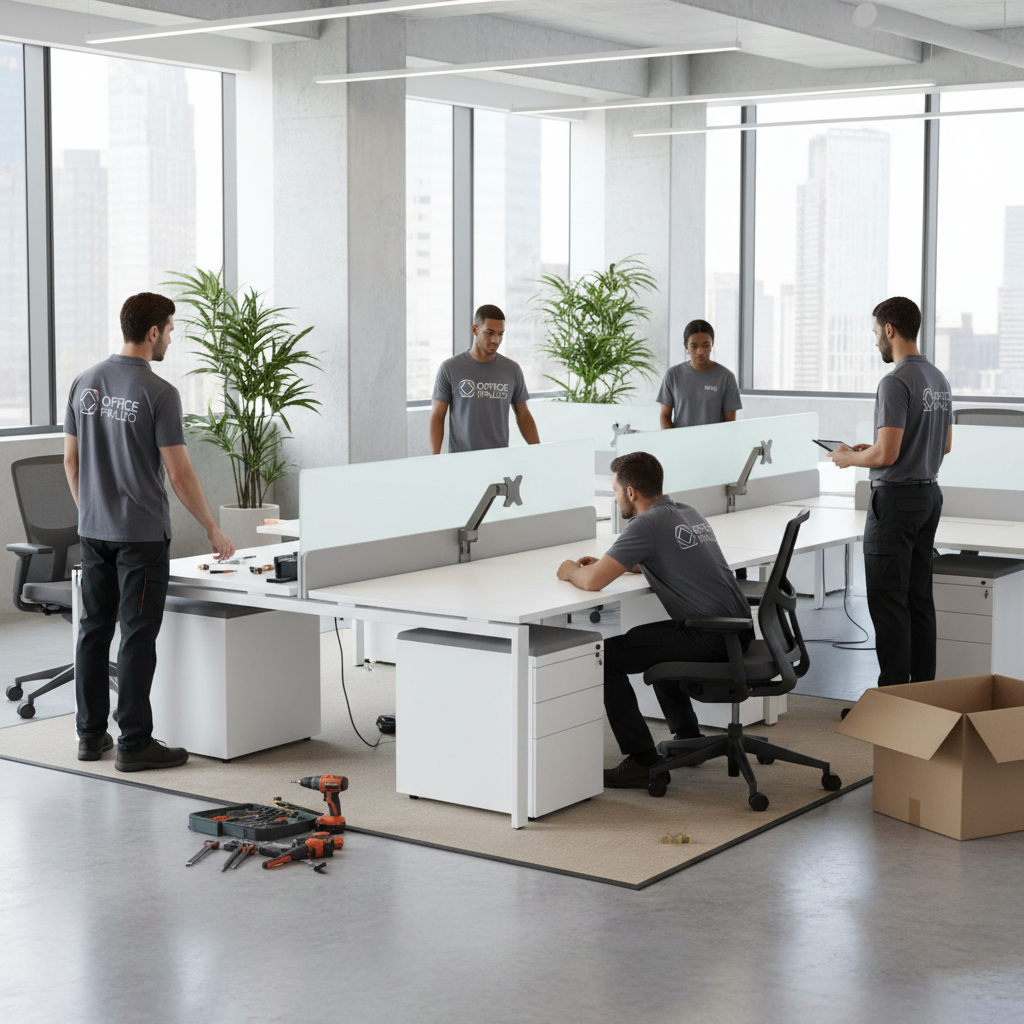
Successful educational furniture procurement Philippines requires rigorous oversight across the entire lifecycle to ensure compliance and longevity. The process is governed by a three-stage inspection protocol designed to mitigate risks before furniture even reaches the classroom. First, a pre-delivery factory inspection verifies that raw materials and construction methods, such as specific steel gauges or engineered bamboo density, meet the Minimum Performance Standards and Specifications (MPSS) before leaving the production line. Second, site verification during delivery confirms that the inventory is complete and remains undamaged after transit. Finally, a post-delivery installation audit ensures that every unit is correctly assembled and structurally sound for daily student use.
The 8-year replacement cycle established by DepEd serves as a vital benchmark for institutional durability. To achieve this lifespan, buyers must prioritize maintenance contracts over low-cost, one-time transactions. Regular hardware tightening and surface treatments are essential for long-term ROI, preventing the need for costly mid-cycle replacements.
When vetting suppliers for government procurement or private institutional projects, evaluate their logistical capability to reach remote or geographically isolated areas. Professional installation expertise is non-negotiable; generic traders often lack the specialized technical skill required for complex systems like operable partition walls, tiered theater seating, or high-density storage from a mobile compactor supplier. Robust after-sales support ensures that incidental damage does not render a facility unusable, maintaining the continuity of the learning environment through reliable local service.
Why Partner with a Local Specialist for School Fit-Outs
Navigating the complexities of educational furniture procurement Philippines requires a partner that bridges the gap between strict regulatory compliance and commercial grade durability. RA Integrated Solutions provides a specialized approach that general traders often lack, managing the technical nuances of DepEd MPSS and CHED facility standards to ensure every project meets the rigorous criteria of government procurement.
We offer a single point of accountability for the entire lifecycle, including secure delivery, professional installation, and long term maintenance. By supplying specialized architectural products like operable partition walls and high density storage systems as a mobile compactor supplier, we help institutions reclaim valuable floor space for active learning. Partnering with a local specialist ensures localized logistics expertise and a direct commitment to the mandatory 8 year replacement cycle, protecting the institution's long term capital investment.
Ultimately, successful procurement in the Philippines requires a balance of ergonomic design, durability, and cost efficiency to support a modern learning environment. If you want expert help navigating these complexities, RA Integrated Solutions is ready to provide the guidance your institution needs. Our team specializes in finding the right equipment for your specific campus requirements. Beyond the classroom, we also offer professional Office Furniture to help you build cohesive and productive administrative spaces. Let us assist you in creating a better future for your students and staff.