A sustainable office fit out Philippines green furniture procurement is achieved by sourcing materials that comply with BERDE and RA 12009 standards. This process requires businesses to prioritize low emission and recycled furniture to minimize carbon footprints while improving long term building performance. Integrating these green standards ensures that corporate workspaces remain eco friendly and fully compliant with the Philippine Green Building Code.
Designing a modern workspace in the Philippines often feels like a balancing act between immediate budget constraints and the rising pressure for environmental responsibility. As the local market shifts, facilities managers frequently struggle to reconcile rapid fit out timelines with the complexities of green procurement. This challenge is no longer optional; evolving regulations like RA 12009 and the push for BERDE certification have turned sustainability into a core business requirement. Selecting the right office furniture is now a strategic investment that impacts both your carbon footprint and your bottom line. In this guide, we explore practical strategies for green furniture selection, the role of modular solutions in space efficiency, and how to navigate the financial landscape of sustainable design. You will gain the expert insights needed to build a workspace that is compliant, efficient, and ready for the future.
The Shift Toward Sustainable Office Fit Outs in the Philippines
The corporate landscape in the Philippines is undergoing a significant transformation. In major business hubs like Metro Manila, Cebu, and Davao, the demand for green workspaces is no longer a niche preference but a strategic necessity. Recent industry data from JLL suggests that by 2026, 88 percent of organizations across APAC markets will view sustainability as a baseline expectation. This shift is fundamentally reshaping how companies approach office fit out services.
In the local context, a sustainable office fit out Philippines strategy moves beyond mere aesthetics. It focuses on measurable performance, such as indoor air quality and reduced carbon footprints. While traditional fit outs often prioritize the lowest upfront capital expenditure, they frequently result in high maintenance costs and short product lifecycles. A sustainable approach emphasizes green furniture procurement, selecting assets based on their durability, material origin, and end of life recyclability.
This evolution reflects a transition from prioritizing cost per square meter to value over lifecycle. By investing in furniture and architectural products that meet rigorous environmental standards, Philippine enterprises ensure their offices are both high performing and compliant with emerging regional trends. This sets the foundation for technical compliance with local building codes and modern procurement laws that favor long term ecological responsibility.
Understanding BERDE and LEED in the Philippine Context
To navigate a sustainable office fit out Philippines green furniture procurement strategy effectively, stakeholders must understand the rating systems that validate these green initiatives. While LEED (Leadership in Energy and Environmental Design) remains the most recognized international standard, the BERDE (Building for Ecologically Responsive Design Excellence) system provides a framework specifically calibrated for the Philippine setting. Developed by the Philippine Green Building Council (PHILGBC), BERDE addresses local environmental priorities and aligns with national regulatory requirements.
Furniture procurement is a vital component of achieving high BERDE ratings. Within the BERDE framework, the selection of desking, seating, and storage systems impacts two primary categories:
BERDE Category | Furniture Contribution |
|---|---|
Materials | Use of recycled content, rapidly renewable materials, and products with documented environmental impact assessments. |
Indoor Environmental Quality | Selection of furniture with low volatile organic compound (VOC) emissions to ensure healthy air quality in air conditioned spaces. |
When executing office fit out services, specifying products that meet these criteria allows projects to accumulate points toward certification levels ranging from 1 star to 5 stars. A significant benchmark for government procurement excellence is the Bangko Sentral ng Pilipinas (BSP), which achieved a 4 star BERDE rating for its New Mint Plant. This achievement sets a standard for how public institutions can utilize specialized architectural products and furniture to reach sustainability goals.
For private and public sector organizations, BERDE offers a localized roadmap that accounts for the specific challenges of the Philippine climate, such as high humidity and the energy demands of cooling. By focusing on the material composition and emission levels of furniture assets, procurement officers ensure their fit outs contribute directly to these certifications while promoting long term health and productivity within the workspace.
Green Furniture Procurement and RA 12009 Standards
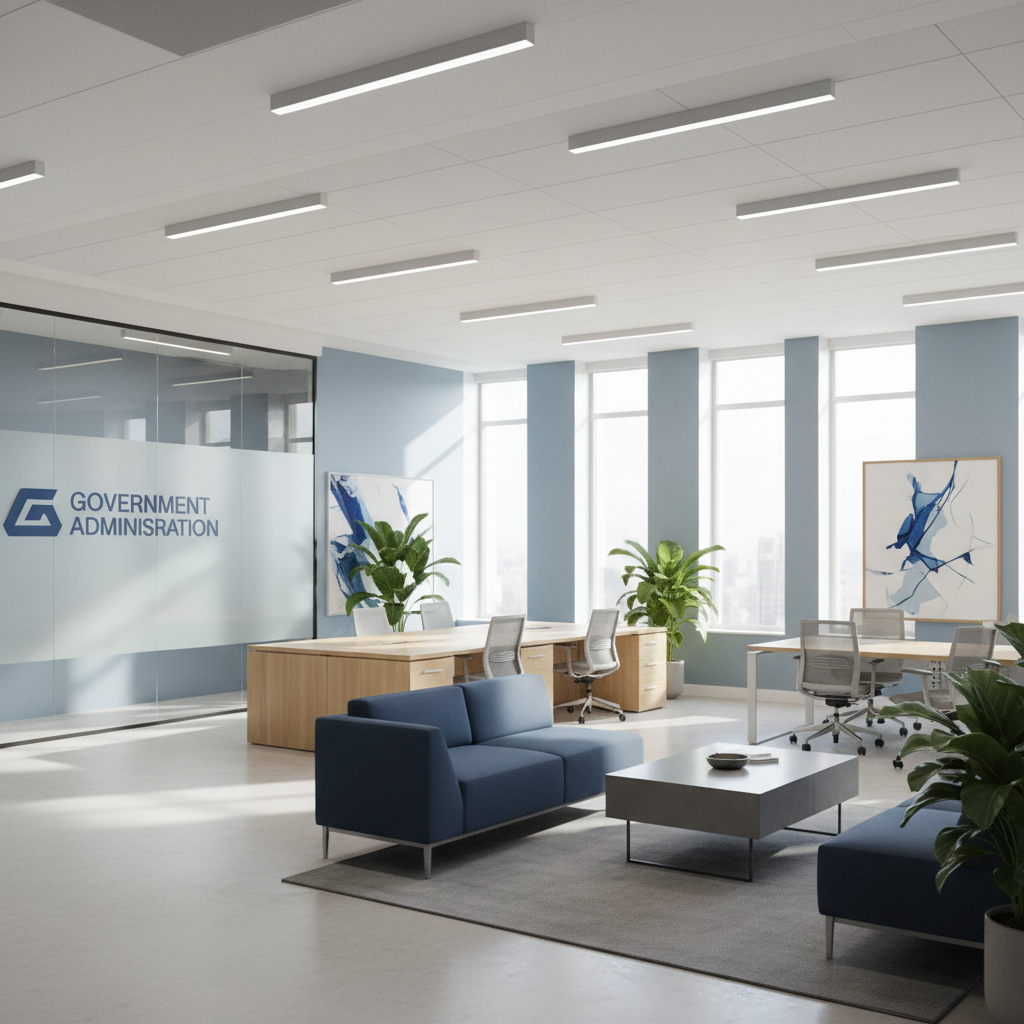
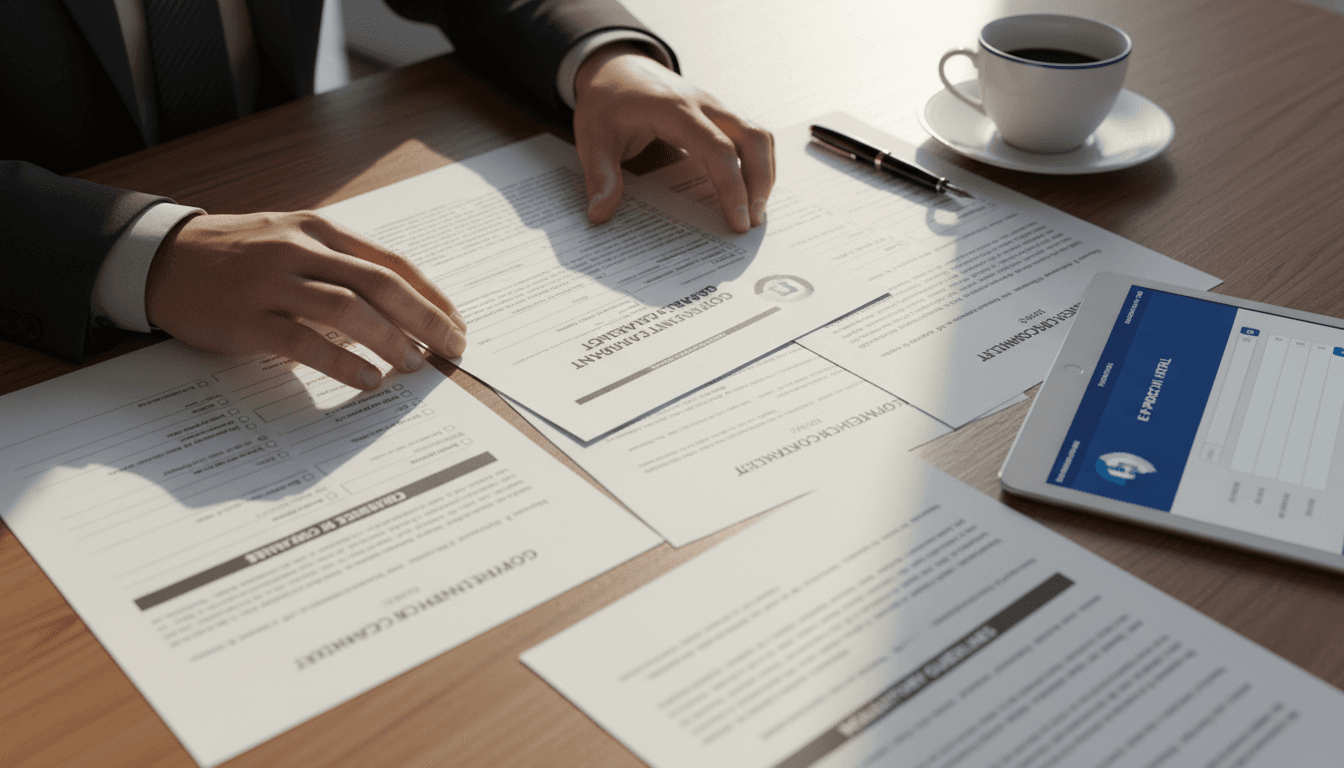
The transition toward a sustainable office fit out Philippines green furniture procurement strategy is now anchored in Philippine law. Republic Act No. 12009, also known as the New Government Procurement Reform Act (NGPRA), marks a pivotal shift from simply selecting the lowest bid to prioritizing Value for Money and long term sustainability. This legislation modernizes the previous procurement framework by ensuring that environmental considerations are integrated into every stage of the sourcing process, making it a critical consideration for both public and private institutions.
Under Executive Order 301, the implementation of a Green Procurement Program is a mandated strategy for the executive branch; however, its influence extends deep into the private sector as a benchmark for corporate governance. To provide clear guidance, the Government Procurement Policy Board (GPPB) has established Green Technical Specifications for various product categories, including office furniture. These specifications move beyond general eco-friendly claims and require verifiable technical data during the bidding and selection process.
For government procurement and high performance commercial projects, furniture must meet specific criteria to be considered compliant with modern green standards:
Technical Criteria | Requirement | Verification Standard |
|---|---|---|
Wood Origin | Sustainably sourced from responsibly managed forests. | FSC or PEFC Certification |
Chemical Safety | Zero or low formaldehyde and VOC content. | GREENGUARD or ISO 16000 |
Coating Materials | Lead free and mercury free powder coatings or finishes. | DENR or PAB Accredited Lab Reports |
Recyclability | Design for disassembly with high recyclable content. | Manufacturer Product Declaration |
These standards ensure that items like seating and desking systems do not off gas harmful chemicals into sealed, air conditioned environments, which is a common issue in traditional fit outs. Furthermore, RA 12009 encourages the use of these Green Technical Specifications to future proof institutional assets. By adhering to these guidelines, organizations avoid the pitfalls of purchasing low quality furniture that requires frequent replacement, thereby reducing both waste and long term expenditure. This regulatory shift ensures that office fit out services are now evaluated through the lens of legal and environmental compliance, rather than just upfront cost.
Key Criteria for Green Furniture Selection
Procurement officers and facility managers must translate high level environmental goals into specific technical requirements during the selection process. A successful sustainable office fit out Philippines green furniture procurement strategy relies on verifying manufacturer claims through documented performance. When evaluating seating and desking, the following checklist ensures that assets meet both international quality standards and local environmental priorities.
Criterion | Technical Requirement |
|---|---|
Material Origin | Preference for recycled content in steel and aluminum frames. Incorporate rapidly renewable materials, such as bamboo, which sequesters carbon faster than traditional hardwoods. |
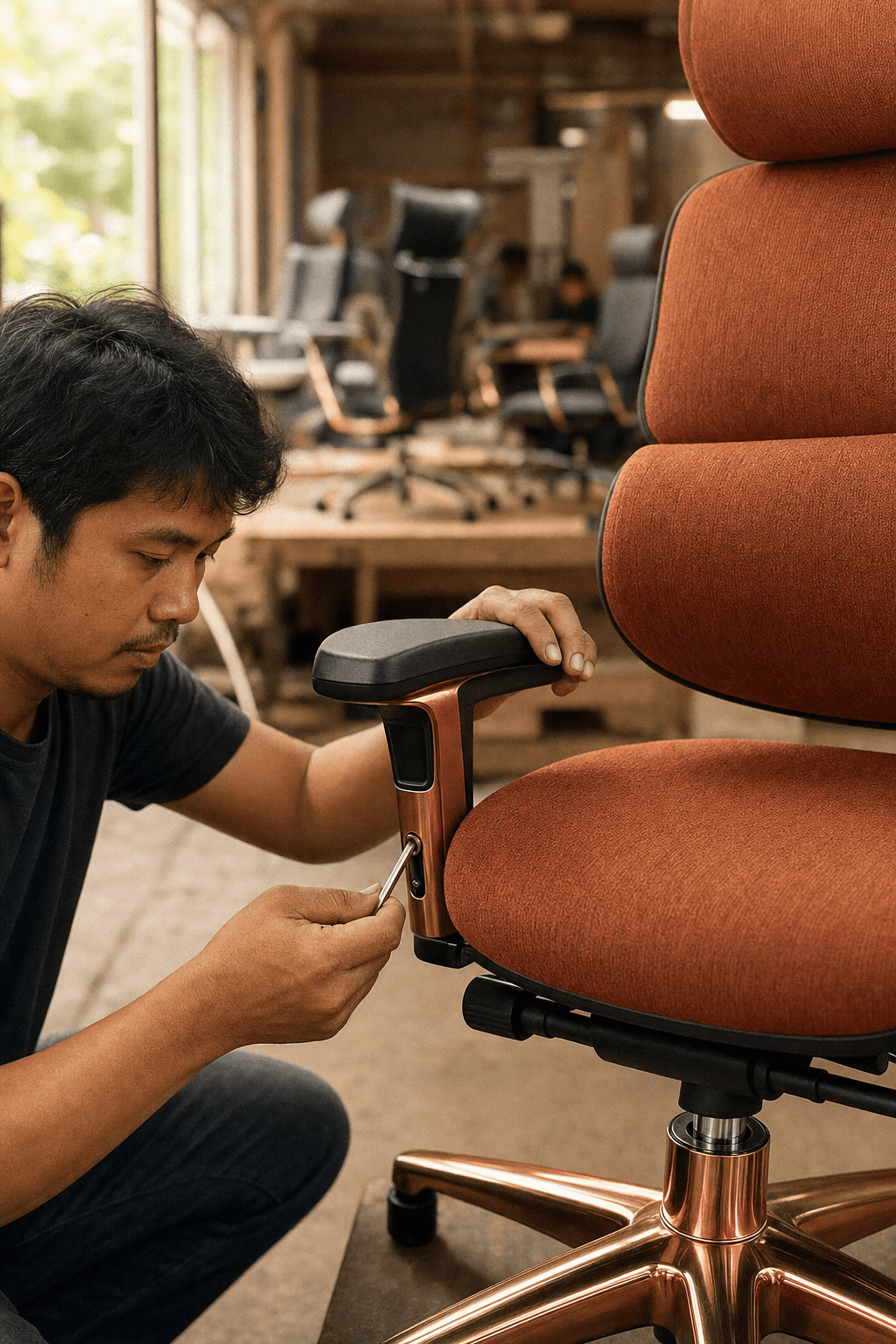
Longevity and Warranty | Select products with 5 to 10 year warranties. High durability directly reduces landfill waste by preventing the culture of frequent replacement associated with low quality furniture. |
End of Life Recyclability | Specify furniture that is at least 95 percent recyclable. Components should be designed for easy disassembly, allowing materials to be recovered rather than discarded. |
Global Certifications | Look for GREENGUARD Gold (low emissions) and BIFMA LEVEL (multi-attribute sustainability). These provide third party verification of a product's environmental footprint. |
In the Philippines, where office spaces are almost exclusively air conditioned and often lack natural ventilation, the health impact of furniture is a critical factor. Standard finishes can release volatile organic compounds (VOCs) that accumulate in sealed environments, leading to poor indoor air quality. By prioritizing low emission finishes and local DENR environmental standards, organizations protect employee respiratory health while ensuring their office fit out services align with modern wellness benchmarks. Rigorous government procurement now demands this level of detail to ensure that every desk and chair is a long term, non toxic investment in the workforce.
Sustainable Solutions: Mobile Compactors and Operable Walls
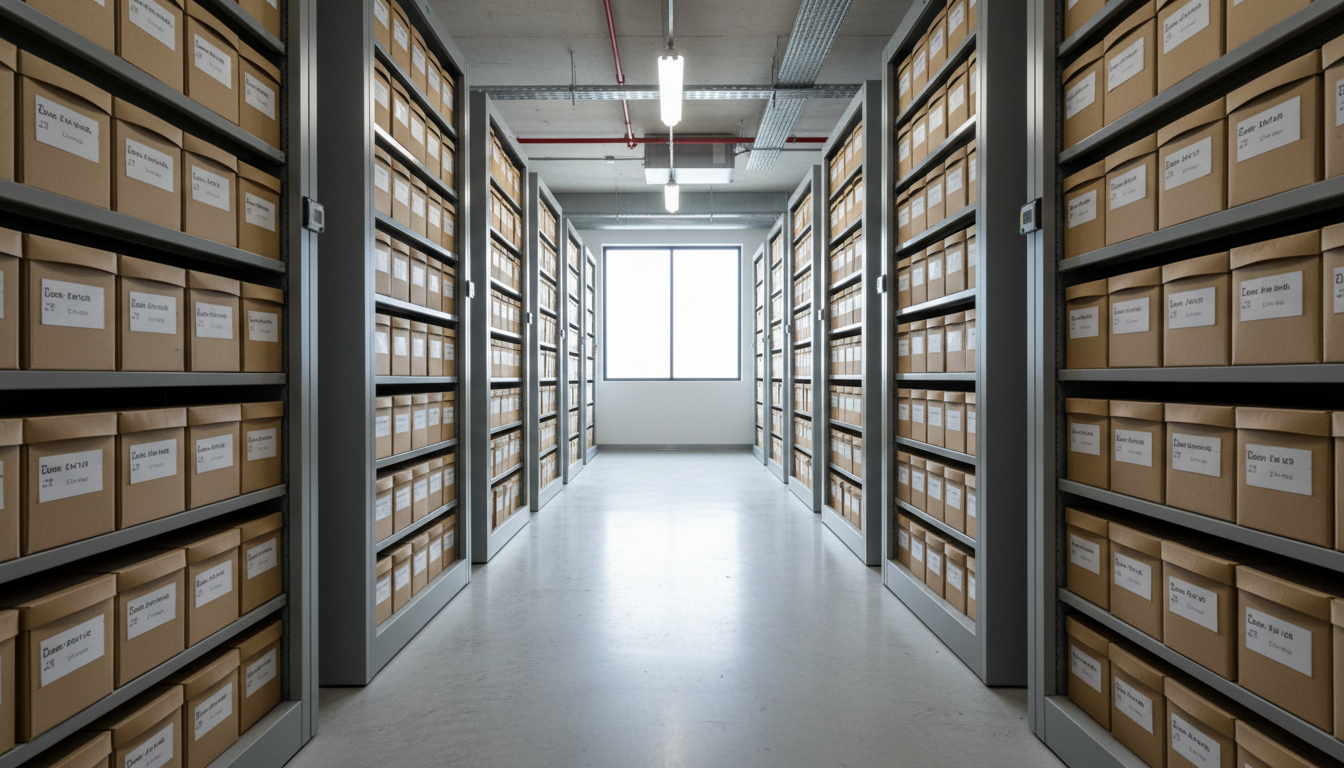
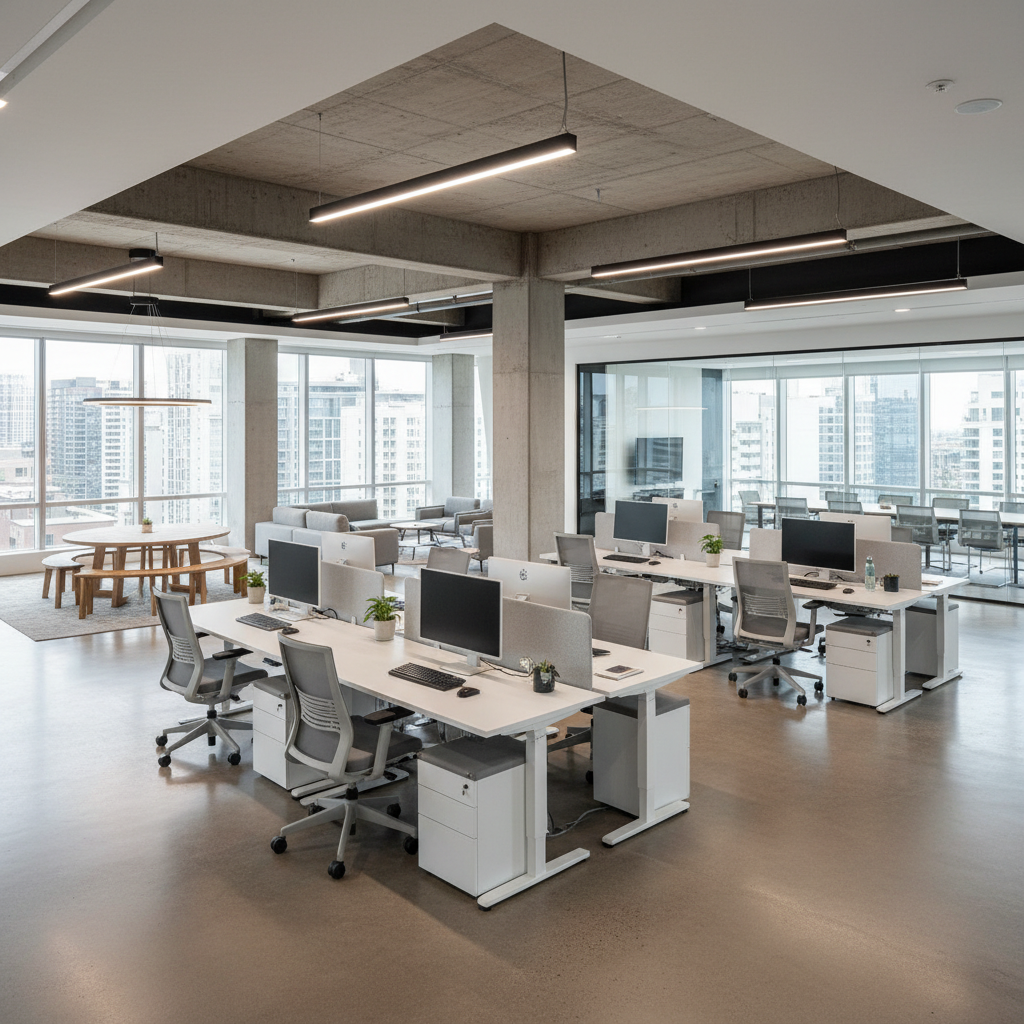
Architectural efficiency is a cornerstone of the Philippine Green Building Code, which mandates space optimization to reduce a building's overall environmental impact. While individual chairs and desks are vital, high density solutions such as mobile compactors provide a structural approach to sustainability. By condensing storage into a smaller physical footprint, these systems allow organizations to reduce the total square footage required for operations. In the Philippine climate, where HVAC systems account for a significant portion of energy consumption, a smaller office footprint leads to substantial reductions in cooling and lighting requirements. Engaging a specialized mobile compactor supplier ensures that storage is not just an organizational tool, but an energy saving asset.
Similarly, operable partition walls offer a sustainable alternative to permanent drywall installations. These systems provide the flexibility to reconfigure spaces without the need for traditional demolition and reconstruction, which often generates significant construction waste. For companies utilizing office fit out services, operable walls represent a long term investment in adaptability. When a meeting room can be converted into an open collaborative space in minutes, the need for additional square footage or future structural renovations is mitigated.
Integrating these architectural products into a sustainable office fit out Philippines green furniture procurement strategy aligns with the Resource Efficiency requirements of the Green Building Code. It ensures that the workspace remains functional as institutional needs evolve, particularly in government procurement where long term utility and cost efficiency are scrutinized. By selecting modular and high density solutions, facility managers effectively future proof the office environment while maintaining a lower carbon footprint.
The Financial Reality: 2026 Fit Out Costs vs Long Term ROI
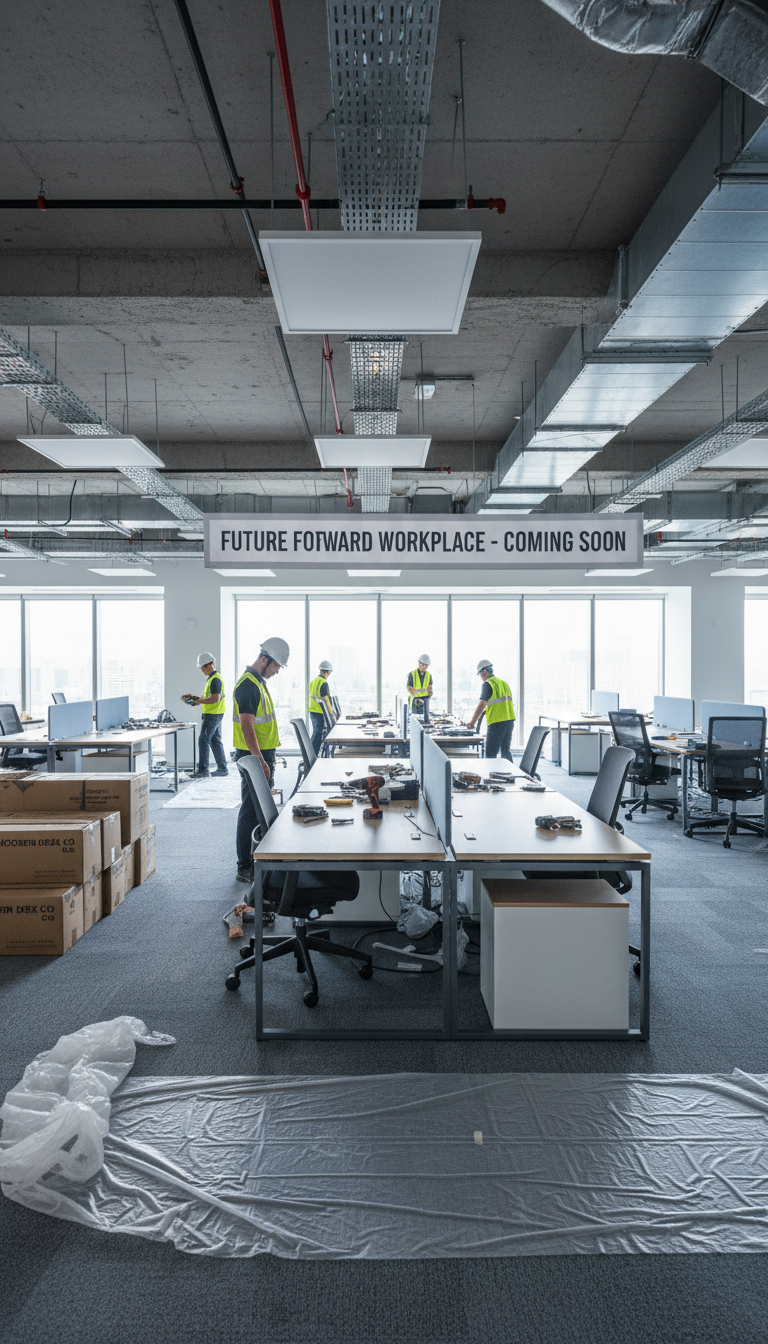
Addressing the financial implications of a sustainable office fit out Philippines green furniture procurement strategy requires a shift from viewing procurement as a sunk cost to an investment in asset longevity. Current market data for 2026 indicates that office fit out services in the Philippines typically range from PHP 15,000 to PHP 50,000 per square meter. While green-certified furniture and high-performance architectural products may carry a 5 to 10 percent higher upfront cost compared to standard commercial-grade items, the long-term return on investment (ROI) far outweighs the initial premium.
Cost Factor | Traditional Fit Out | Sustainable Fit Out (RA 12009 Compliant) |
|---|---|---|
Upfront Capital | Lower initial expenditure | 5 to 10 percent higher due to certifications |
Energy Operations | Standard HVAC and lighting loads | Significant reduction through space optimization |
Product Lifespan | 3 to 5 years (high replacement rate) | 10+ years with comprehensive warranties |
Legal Risk | High risk of non-compliance in public bids | Fully aligned with RA 12009 standards |
The financial benefits are realized through three primary channels. First, operational savings occur when space-saving solutions like mobile compactors reduce the total floor area requiring expensive climate control. Second, improved Indoor Environmental Quality (IEQ) directly influences human capital; studies consistently show that low-VOC environments reduce absenteeism and boost employee productivity. Finally, for those involved in government procurement, adhering to RA 12009 technical specifications is a form of risk management. Compliance ensures that projects move forward without the legal hurdles, audit observations, or bid disqualifications that arise from sourcing non-compliant, low-tier materials. Ultimately, selecting sustainable furniture is a method of future-proofing an organization against rising energy costs and evolving regulatory mandates.
Creating a sustainable workspace in the Philippines requires a careful balance of green procurement, BERDE compliance, and strict adherence to RA 12009 standards. While transitioning to an eco-friendly office is a rewarding investment in your company's future, navigating these regulations can often feel overwhelming. If you want expert help streamlining this process, selecting high-quality Office Furniture that meets modern environmental criteria is a great first step. RA Integrated Solutions is here to provide guidance, ensuring your workspace remains both functional and fully compliant.